Network technology lists the cellular standards the device supports, such as GSM, LTE or NR. It determines which carrier networks the device can register on.
Network Generations
4G5G
Network generations indicate which cellular generations the device supports, from 2G through 5G NR. They determine which carrier networks and speed classes are available for voice and data.
SIM Configuration
Dual eSIM (two active), no physical SIM
SIM configuration describes how many SIM slots the device has and how they operate, such as single, dual or hybrid. It determines whether two carriers can run at once.
SIM Types
eSIM
SIM types list the physical card formats the device accepts per slot, such as Nano-SIM, Micro-SIM or Mini-SIM. The format tells you whether an existing SIM fits or needs an adapter.
eSIM
Yes
eSIM indicates whether the device includes an embedded SIM, a digital carrier profile that replaces a physical card. It enables remote carrier switching and dual-SIM use.
2G Bands
GSM 850 / 900 / 1800 / 1900
2G bands list the GSM frequencies the device supports, such as 850, 900, 1800 and 1900 MHz. They determine which 2G networks the device can register on.
3G Bands
HSDPA 850 / 900 / 1700(AWS) / 1900 / 2100
3G bands list the UMTS and HSPA frequencies the device supports. They determine which 3G networks the device can register on for voice and data.
4G bands list the LTE frequency bands the device supports, such as B1, B3, B7 or B20. They determine which 4G networks the device can register on for high-speed data.
5G bands list the NR frequency bands the device supports, in sub-6 GHz or mmWave ranges. They determine which 5G networks the device can register on.
Data Speed
HSPA, Gigabit LTE (4x4 MIMO), 5G (sub-6 GHz and mmWave)
Data speed states the highest network classes the device supports, such as LTE Cat 20 or 5G NR. It indicates the maximum download and upload throughput available.
VoLTE
Yes
VoLTE indicates whether the device places HD voice calls over the 4G LTE network instead of falling back to 2G or 3G. It gives faster call setup and clearer audio.
Wi-Fi Calling
Yes
Wi-Fi Calling indicates whether the device can route voice calls and SMS over a Wi-Fi network instead of the cellular network. It extends coverage indoors and abroad.
Satellite Connectivity
Emergency SOS, Messages, Find My and Roadside Assistance via satellite
Satellite connectivity states whether the device can connect directly to satellites for emergency messaging or calls when no cellular network is available. It extends coverage to remote areas.
Regional Network Notes
US models: 5G sub-6 GHz + mmWave, dual eSIM
Other regions (incl. India): 5G sub-6 GHz, dual eSIM
Apple C2 modem with 4x4 MIMO on 5G and Gigabit LTE
Regional network notes record market-specific differences in band support or carrier compatibility across device variants. They show which regional models work on which carrier networks.
Design & Body
19 specs
Form Factor
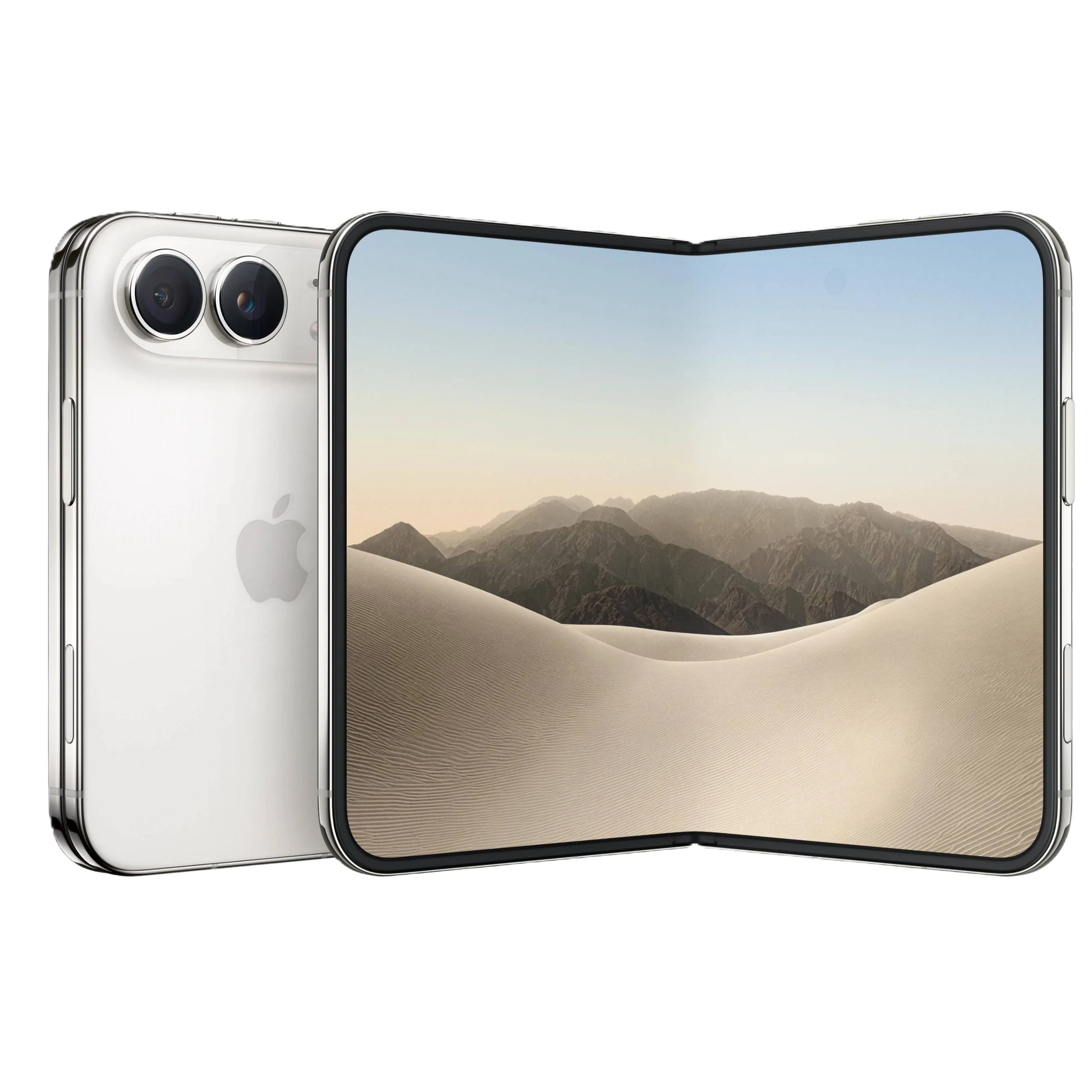
Book-style foldable
Form factor names the device's overall shape and handling style, such as candybar, slider or flip. It determines how the device fits in the hand and pocket.
Folded Dimensions
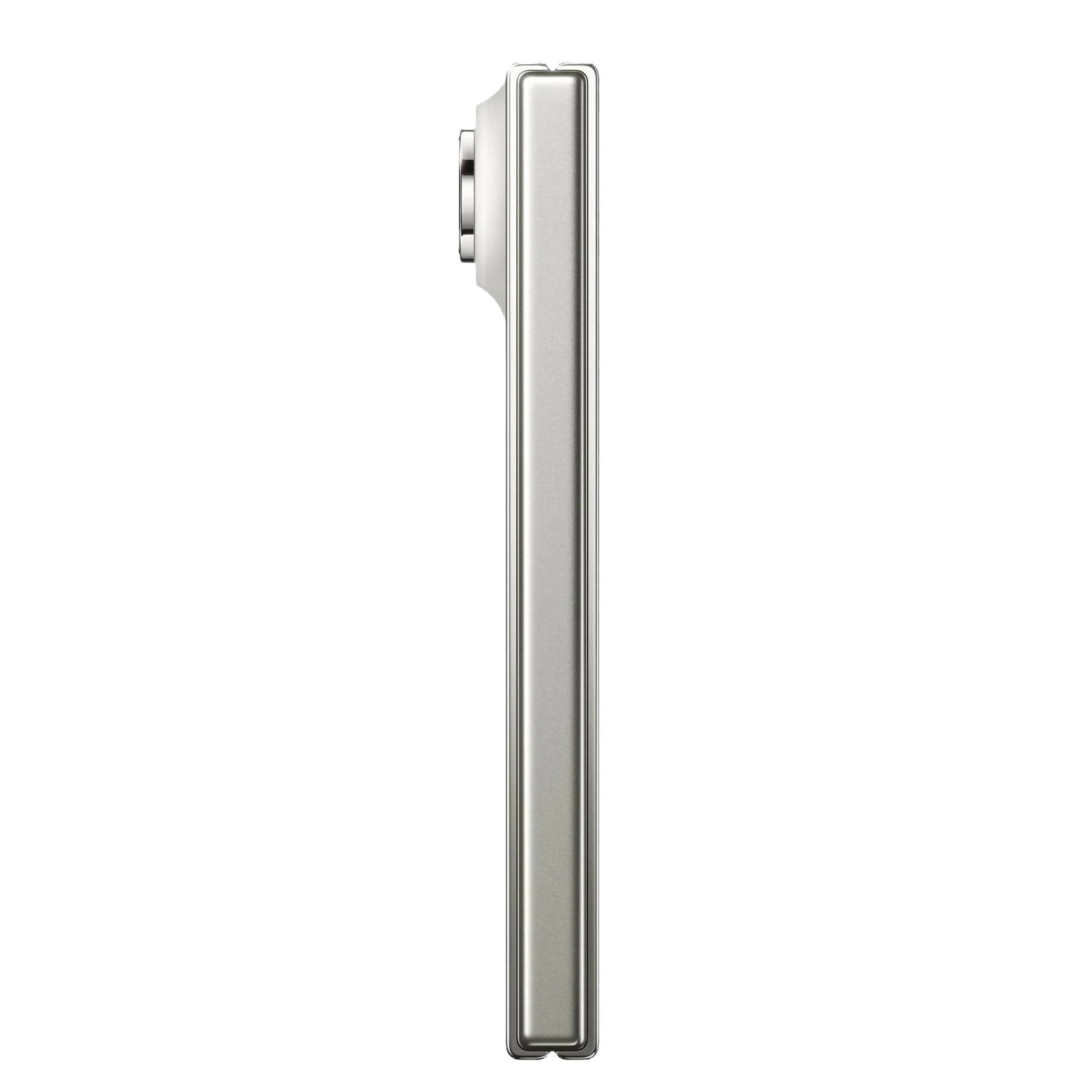
Width 84.1 mmHeight 117.8 mmThickness 11.3 mm
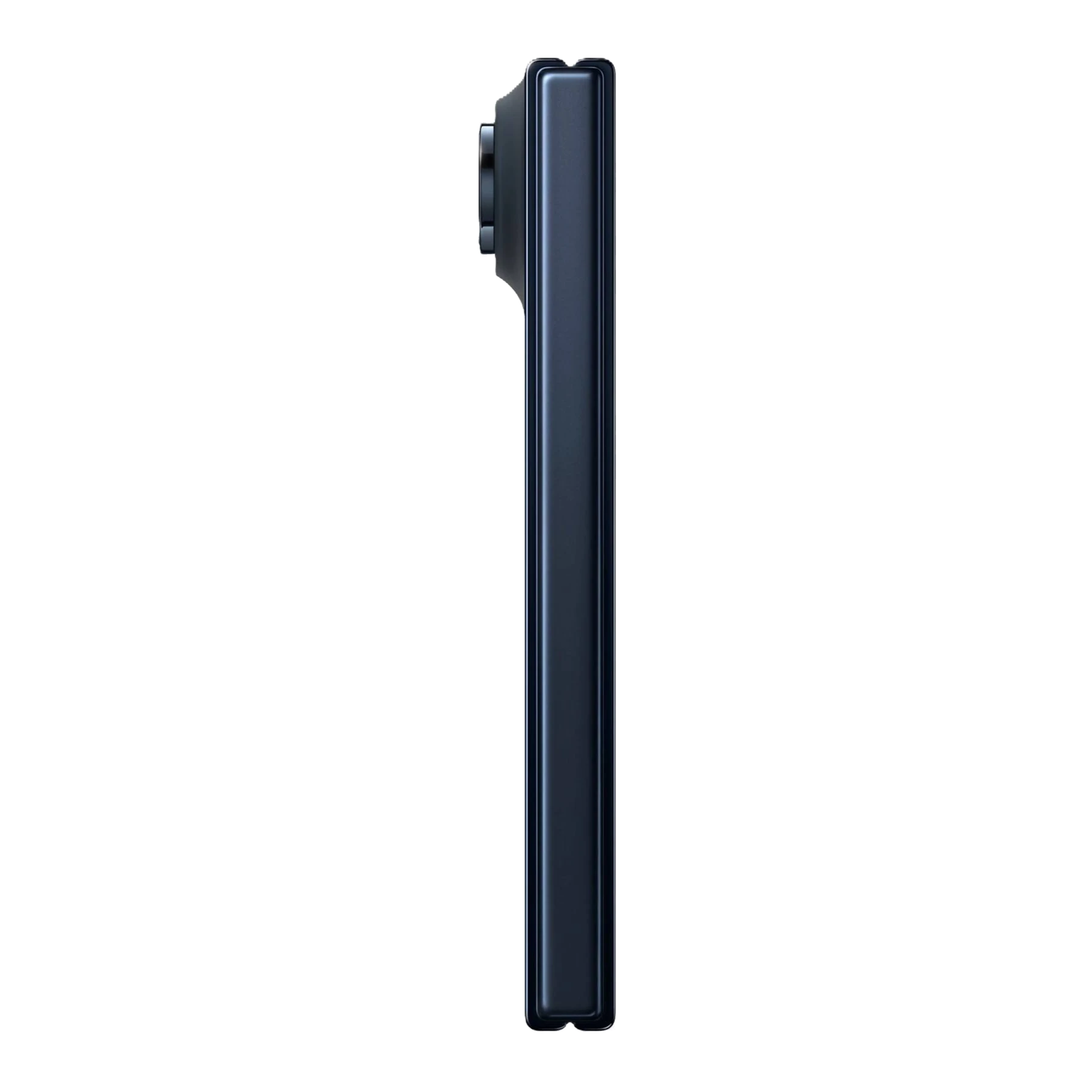
Folded dimensions give the device's height, width and thickness when the hinge is fully closed, in millimetres. They show whether the folded device fits pockets and one-handed use.
Unfolded Dimensions
Width 164.6 mmHeight 117.8 mmThickness 5.2 mm
Unfolded dimensions give the device's height, width and thickness when the screen is fully opened flat, in millimetres. They show whether the unfolded device fits one-handed use.
Weight
254g
Weight states the device's mass in grams, including its built-in battery but excluding any case. It influences one-handed comfort, pocket carry and fatigue during long calls.
Build summarizes the device's construction and protective design, such as glass front, aluminum frame and glass back. It gives a quick view of perceived quality and durability.
Frame Material
Grade 5 titanium with recycled aluminium structural frame
Frame material names what the device's side rails are made of, such as aluminum, stainless steel or plastic. It affects weight, durability and perceived quality.
Front Material
Ceramic Shield 2 with anti-reflective coating
Front material names the covering over the display, such as Gorilla Glass or hardened plastic. It indicates the scratch and drop protection the screen carries.
Back Material
Ceramic Shield
Back material names the panel covering the rear of the device, such as glass, plastic or vegan leather. It affects grip, wireless charging and durability.
IP Rating
IP68
IP rating states the device's protection code, such as IP68, where the first digit covers dust and the second covers water. It defines certified resistance to solids and liquids.
Water Resistance Depth
Max Depth: 6 m
Max Duration: 30 min
Water resistance depth states how deep, in metres, the device can be submerged without damage. It defines the safe submersion limit for accidental drops in water.
Physical Controls
Side button with Touch ID
Camera Control button
Volume rocker
Physical controls list the hardware buttons and switches on the device, such as power, volume, camera shutter or a dedicated AI button. They show which functions have tactile access.
Dimensions by configuration
Unfolded: 117.8 x 164.6 x 5.2 mm
Folded: 117.8 x 84.1 x 11.3 mm
Body measurements that vary by case size, connectivity, accessories or operating position.
Weight by configuration
254 g (8.96 oz)
Weight differences between case sizes, connectivity options or material variants.
Weight measurement
254 g (same folded and unfolded)
What was included when the stated device weight was measured.
Hinge design
3D-printed hinge cover with 100+ hinge components and carbon-fibre support plates
The physical hinge arrangement and its stated folding behavior.
Supported hinge positions
Flex Mode: 30°-150°
The specified angle range or positions in which a folding device is designed to operate.
Hinge durability claims
500,000 folds tested
Published hinge test claims together with their test conditions and source limitations.
Folding configurations
Unfolded: 7.6-inch inner display (tablet mode)
Folded: 5.4-inch cover display (phone mode)
Additional device positions or screen configurations beyond fully folded and fully unfolded states.
Display
19 specs
Display Count
2
Display count states how many separate screens the device has, including main, cover and secondary panels. It determines how many surfaces show content at once.
Display type classifies the screen under a standard panel family, such as OLED, LCD or e-paper. It lets buyers compare screens by technology generation across brands.
Screen Size
7.6inches
Screen size states the diagonal measurement of the display in inches. Combined with resolution it determines how large text and images appear to the user.
Resolution
Screen Resolution 1878 × 2670 pxResolution Class QXGA+Pixel Density 430 ppiAspect Ratio 1.42:1 ratio
Display resolution identifies the standardized pixel grid of the screen as a shared reference record, such as 1080 × 2400. It keeps resolution data identical across models.
Refresh Rate
120Hz
Refresh rate states how many times per second the display redraws the image, in hertz. Higher rates make scrolling and animation look smoother to the eye.
Adaptive Refresh Range
1-120 Hz
Adaptive refresh range states the span of refresh rates the display can switch between, such as 1 to 120 Hz. It balances smooth motion with battery savings in real use.
Touch Sampling Rate
240Hz
Touch sampling rate states how many times per second the display checks for finger input, in hertz. Higher rates reduce the delay between a tap and the on-screen response.
Typical Brightness
1000nits
Typical brightness states the luminance the display sustains in normal indoor use, measured in nits. It determines everyday readability for reading, browsing and video without peak mode.
Peak Brightness
3000nits
Peak brightness states the maximum luminance the display can reach in nits, measured in a small area. It determines outdoor readability and HDR highlight detail.
Display protection names the cover glass or coating shielding the screen, such as Gorilla Glass Victus 2 or Ceramic Shield. It indicates resistance to scratches and drops.
Display Features
Always-on display
ProMotion adaptive refresh
True Tone
Wide color (P3)
Haptic Touch
Dynamic Island
Anti-reflective coating
Apple Pencil (USB-C) support
Display features list extra screen capabilities beyond the core panel specs, such as always-on display, LTPO switching or DC dimming. They highlight functions that change daily use.
Secondary displays list additional screens beyond the main panel, such as a cover screen or e-ink panel. They show which content is visible without opening the device.
Brightness conditions
1000 nits (typical max)
1600 nits (HDR peak)
3000 nits (outdoor peak)
1 nit (minimum)
The content, screen area, automatic mode and test conditions associated with brightness figures.
Display variants
Inner: 7.6-inch foldable OLED, 1878 × 2670 px, 430 ppi
Cover: 5.4-inch OLED, 1398 × 2034 px, 460 ppi
Screen differences between device configurations, including finishes, sizes and panel options.
Dimming method
High-frequency PWM dimming
How the display controls brightness, including stated PWM frequency or DC dimming behavior.
Screen area
175.4cm²
The area of the specified primary screen, measured in square centimetres.
Screen-to-body ratio
89%
The reported share of the front surface occupied by the specified screen.
Cover display features
Always-on display
Ceramic Shield 2
Widget support
Additional capabilities and limitations of the cover screen.
The technology, size, resolution and refresh rate of the external cover screen.
Platform
15 specs
Software
iOS 27
Operating system links the device to its full OS record, combining name, version and upgrade path in one reference entry. It keeps software data consistent across models.
Chipset
Chipset Name Apple A20 ProProcess Node (2 nm)
Chipset links the device to its standardized system-on-chip record, grouping all models that share the same silicon. It enables exact like-for-like performance comparisons across brands.
CPU
Hexa-core (2×4.93 GHz + 4×2.64 GHz)
Performance cores2 × 4.93 GHz
Performance cores carry sustained work such as multitasking, gaming and video export, balancing speed and power use.
Efficiency cores4 × 2.64 GHz
Efficiency cores handle light and background tasks such as messaging, music and standby at low power. They extend battery life rather than speed.
CPU describes the processor core layout inside the chipset, such as 1+3+4 with clock speeds. It indicates how the device handles multitasking and sustained workloads.
CPU Cores
6
CPU cores states how many processing cores the chipset contains, such as six or eight. More cores improve multitasking and parallel workloads like video export.
Maximum CPU Clock
4.93GHz
CPU max clock states the highest frequency any core in the chipset can reach, in gigahertz. It indicates the peak single-thread speed available for short bursts.
GPU
Apple GPU (7-core) with Neural Accelerators and hardware ray tracing
GPU names the graphics processor inside the chipset, such as Adreno 830 or Mali-G925. It determines gaming frame rates, UI smoothness and video rendering speed.
NPU / AI Engine
Apple Neural Engine (dual 16-core)
NPU names the dedicated silicon for on-device machine-learning tasks, also called the AI engine. It accelerates camera processing, voice assistants and generative AI without the cloud.
Architecture
ARMv9.2-A, 64-bit
Architecture states the instruction-set and core design family of the processor, such as ARMv8 or ARMv9. It determines which software binaries the device can run natively.
OS Update Policy
7 major iOS upgrades
OS update policy states how many major operating-system upgrades the manufacturer promises and over how many years. It indicates how long the device stays current.
Security Update Policy
Security updates through 2032
Security update policy states how long the device will receive security patches from the manufacturer. It defines how long the device stays safe against known vulnerabilities.
AI Features
Apple IntelligenceWriting ToolsImage PlaygroundGenmojiSmart Siri
AI features list the on-device or cloud-assisted intelligent functions the device ships with, such as circle-to-search or live translate. They show which tasks the device can automate.
Software support
Security updates through 2032 · about 6 years from release
Today
Oct 2026202820292030203120322032
about 6 years of security updates left
The published end date or end month for security updates.
Platform variants
iOS 27
Apple A20 Pro (2 nm)
Hexa-core CPU (2 performance + 4 efficiency cores)
Processor, software or performance-hardware differences between regional and storage configurations.
Memory & Storage
7 specs
RAM
RAM Size 12 GBRAM Type LPDDR5X
RAM links the device to its standardized memory record, combining size and type in one reference entry. It keeps RAM data identical across models for exact comparisons.
Storage
Storage Size 256 GBStorage Type NVMe
Storage links the device to its standardized internal-storage record, combining capacity and storage standard in one reference entry. It keeps storage data consistent across models.
Memory variants list the RAM and storage combinations the device is sold in, such as 8 GB + 128 GB or 12 GB + 512 GB. They show which configurations exist per market and price tier.
Memory Card Slot
No
Memory card slot indicates whether the device accepts a removable memory card for extra storage, such as microSD. It determines whether storage can be expanded after purchase.
Memory Notes
12 GB RAM on every storage variant
Storage is not expandable
Memory notes record extra conditions about memory and storage, such as shared SIM slots or actual usable space. They clarify details the headline numbers do not show.
Memory-card slot arrangement
No memory card slot
Whether a memory card uses a dedicated slot or shares a slot with a SIM.
Memory configuration details
256 GB storage + 12 GB RAM
512 GB storage + 12 GB RAM
1 TB storage + 12 GB RAM
2 TB storage + 12 GB RAM
Configuration-specific storage technology, physical RAM and memory-capacity qualifications.
Rear Camera
10 specs
Zoom range Sharp from 0.5× to 1×, still good at 2×, digital up to 10×.
0.5×1×2×10×
real lenssensor crop, still sharpdigital, quality drops
0.5× Ultrawide · 48 MP
1× Main · 48 MP
2× optical-quality crop
10× max digital
Main camera
1
Megapixels
48 MP
Aperture
f/1.6
Equivalent focal length
26 mm (35 mm equiv.)
Lens type
Wide
Sensor format
1/1.28-inch type
Native pixel pitch
1.22 µm
Focus methods
Hybrid Focus Pixels
Stabilization
Sensor-shift OIS
Module features
Fusion camera12 MP optical-quality 2x zoom
Camera notes
24 MP / 48 MP output, 52 mm 2x crop
Main camera links the device to the standardized record of its primary rear camera, combining sensor, lens and stabilization data. It keeps main-camera specs identical across models.
Ultrawide camera
2
Megapixels
48 MP
Aperture
f/2.2
Equivalent focal length
13 mm (35 mm equiv.)
Lens type
Ultrawide
Sensor format
1/2.55"
Native pixel pitch
0.7 µm
Field of view
120°
Focus methods
Hybrid Focus Pixels
Module features
Macro photography
Camera notes
24 MP / 48 MP output
The rear camera dedicated to capturing a wider field of view.
Aperture: how much light gets through
A smaller f-number is a wider opening: more light, more background blur, less of the scene in focus. Pick a lens.
One scene at three apertures, shot with a 50 mm camera lens, not with this phone: the frame nearest the chosen lens is marked. Opening width scales with 1/f and light with 1/f². Photos: Alex1ruff, CC BY-SA 4.0, via Wikimedia Commons.
Rear Camera Count
2
Rear camera count states how many separate camera modules sit on the back of the device. It indicates whether the device offers single, dual or multi-lens photography.
Maximum Digital Zoom
10x
Maximum digital zoom states the highest magnification the device applies through software cropping, such as 10× or 30×. It enlarges distant subjects but loses detail compared to optical zoom.
Camera Features
Fusion camera system
Photonic Engine
Deep Fusion
Night mode
Smart HDR 5
Photographic Styles 3
Portrait mode with Focus and Depth Control
48 MP macro photography
Panorama up to 63 MP
Camera features list the photo-side capabilities of the rear camera system, such as auto-HDR, panorama or night mode. They show which shooting modes work out of the box.
Video Recording
4K Dolby Vision at 24/25/30/60 fps (100/120 fps on Fusion Main)1080p Dolby Vision at 25/30/60 fps (120 fps on Fusion Main)Slo-mo: 1080p up to 240 fps, 4K Dolby Vision up to 120 fpsCinematic mode up to 4K Dolby Vision at 60 fpsAction mode up to 2.8K at 60 fps
Rear video recording lists the resolution and frame-rate modes the rear cameras support, such as 8K at 30 fps or 4K at 120 fps. It shows the highest video quality the device can capture.
Video Features
HDR10
Dolby Vision HDR
gyro-EIS
Cinematic mode
Action mode
Dual Capture
Audio Zoom
Spatial Audio recording
Wind noise reduction
Video features list the recording-side capabilities of the rear cameras, such as 8K capture, HDR10+ video or log profiles. They show which professional video workflows the device supports.
Rear Flash
True Tone flash
Rear flash describes the light source built beside the rear cameras, such as dual-LED or True Tone. It determines how well the device illuminates subjects in low-light photos.
Rear camera hardware or recording differences between configurations.
Rear recording conditions
4K@24/25/30/60/100/120fps, 1080p@25/30/60/120/240fps, Dolby Vision HDR (up to 4K 120fps), Spatial Audio and stereo recording
Lens, resolution, frame-rate, HDR and stabilization restrictions for rear video modes.
Front Camera
9 specs
Selfie camera
1
Aperture
f/1.8
Position
Under-display (inner screen)
Module features
Center StageUltra-stabilized video
FaceTime camera, 1080p video at 30/60 fps (megapixels not disclosed)
Front camera links the device to the standardized record of its primary selfie camera, combining resolution, sensor, aperture and autofocus. It keeps selfie-camera specs identical across models.
One scene at three apertures, shot with a 50 mm camera lens, not with this phone: the frame nearest the chosen lens is marked. Opening width scales with 1/f and light with 1/f². Photos: Alex1ruff, CC BY-SA 4.0, via Wikimedia Commons.
Front Camera Count
2
Front camera count states how many separate camera modules face the user on the device. It determines whether the device offers single or dual selfie perspectives.
Front Video Recording
Cover: 4K Dolby Vision at 24/25/30/60 fps
Cover: 1080p Dolby Vision at 25/30/60 fps, slo-mo 1080p at 120 fps
Cover: Cinematic mode up to 4K Dolby Vision at 30 fps
Inner (under-display): 1080p at 30/60 fps
Front video recording lists the resolution and frame-rate modes the selfie camera supports, such as 4K at 60 fps. It shows which video call and selfie-video quality the device delivers.
Front video features
HDR10Dolby Vision HDRgyro-EISCinematic modeUltra-stabilized video
Video features list the recording-side capabilities of the rear cameras, such as 8K capture, HDR10+ video or log profiles. They show which professional video workflows the device supports.
Front Camera Features
HDR
Dolby Vision HDR
spatial audio
stereo sound rec.
Center Stage
Retina Flash
Night mode
Animoji and Memoji
Front camera features list the photo-side capabilities of the selfie camera, such as HDR, night mode or portrait mode. They show which selfie enhancements work out of the box.
Face Depth System
None (no TrueDepth / Face ID)
Face depth system names the hardware the front camera uses to measure facial distance, such as structured light or TOF. It enables depth-based face recognition and natural portrait blur.
Front illumination
Retina Flash (cover camera)
The front-facing photographic illumination, such as a dedicated light or screen flash.
Front camera conditions
Inner: under-display camera, f/1.8, 1080p at 30/60 fps (MP not disclosed)
Cover: 12 MP, f/2.2, Center Stage, 4K Dolby Vision at 60 fps
Front camera position, recording-mode and configuration restrictions.
Sound
7 specs
Loudspeaker
Stereo speakers with spatial audio
Loudspeaker states whether the device has a built-in external speaker, such as single bottom-firing or stereo. It determines whether media plays out loud and how full it sounds.
Speaker Count
2
Speaker count states how many separate loudspeaker drivers the device contains, such as one, two or four. More drivers usually widen the soundstage and enable true stereo separation.
Stereo Speakers
Yes
Stereo speakers indicates whether the device outputs two-channel sound from separate left and right drivers. Stereo separation makes music and video dialogue sound wider and more directional.
Audio features list the extra sound capabilities the device supports, such as hi-res audio, Dolby Atmos or spatial audio. They show which listening experiences the device can deliver.
Audio Codecs
AAC
AAC+
HE-AAC v2
Dolby Atmos
Dolby Digital
Dolby Digital Plus
Spatial Audio
MP3
Apple Lossless (ALAC)
FLAC
APAC
Audio codecs list the Bluetooth and file audio formats the device can encode or decode, such as AAC, aptX or LDAC. They determine wireless audio quality and latency with compatible headphones.
Microphones
Built-in microphones with Voice Isolation and Wide Spectrum modes
Microphones describes the number and placement of built-in microphones, such as dual or triple with noise cancellation. They determine call clarity, voice-recording quality and noise rejection.
Hearing Aid Compatibility
Yes, Hearing Aid Compatible (HAC)
Hearing aid compatibility states whether the device meets hearing-aid coupling standards, such as M3/T3 or M4/T4 ratings. It indicates how well the device works with hearing aids.
Battery & Charging
13 specs
Battery Capacity
4883mAh
Battery capacity states the energy stored in the device's battery, in milliamp-hours, such as 5000 mAh. It is the raw figure behind runtime, but actual endurance depends on usage.
Battery Chemistry
Li-Ion (dual-cell)
Battery chemistry names the cell technology inside the device, such as Li-Ion, Li-Po or silicon-carbon. It affects energy density, charge speed and long-term cycle life.
Removable Battery
No
Removable battery indicates whether the user can take the battery out and replace it without tools. It affects repair cost, long-term usability and airline travel rules.
Wired Charging
60W
Wired charging states the maximum power, in watts, the device accepts over a USB cable from a compatible adapter. It determines how fast the battery refills from empty.
Wired Charging Standards
USB Power Delivery 3.0Adjustable Voltage Supply
Wired charging standards list the fast-charging protocols the device negotiates over USB, such as USB PD, QC or proprietary. They determine which chargers deliver the rated speed.
Wireless Charging
25W
Wireless charging states the maximum power, in watts, the device accepts from a Qi or proprietary wireless pad. It determines how fast the battery refills without a cable.
Wireless Charging Standards
MagSafeQi2
Wireless charging standards list the pad protocols the device supports, such as Qi, Qi2 or MagSafe. They determine which wireless chargers deliver the rated speed.
Charging Time
50% in about 20 min (60W+ USB-C adapter); 50% in about 30 min (MagSafe with 35W+ adapter)
Charging time states how long the device takes to reach a stated battery percentage from empty, such as 75% in 30 minutes. It translates wattage into real-world wait time.
Battery Life
Up to 24 hours typical use
Video playback: up to 44 h (cover display), 31 h (inner display)
Streamed video: up to 37 h (cover display), 26 h (inner display)
Battery life states the measured or claimed runtime of the device per charge, such as hours of video, calls or mixed use. It is the practical endurance figure.
Charger in Box
No; USB-C to USB-C cable (1m) only
Charger in box states whether a power adapter ships with the device and at what wattage, or whether only a cable is included. It tells buyers what extra purchase is needed for full-speed charging.
Battery Features
Optimized Battery ChargingAdaptive Charging
Battery features list extra power-management capabilities, such as bypass charging, adaptive charging or battery health monitoring. They show how the device protects long-term battery life.
Battery configurations
Dual built-in lithium-ion batteries
Battery differences between sizes, hardware configurations or supported battery packs.
Charging requirements
Wired: 50% in about 20 min with a 60W+ USB-C adapter
Wireless: MagSafe / Qi2 up to 25 W, 50% in about 30 min with a 35W+ adapter
Charger, cable, protocol, temperature and battery-level conditions required for charging claims.
Connectivity
21 specs
Wi-Fi Standard
Wi-Fi 7 (802.11be)
Wi-Fi standard states the highest 802.11 generation the device supports, such as Wi-Fi 6E or Wi-Fi 7. It determines maximum wireless throughput and latency on compatible routers.
Wi-Fi Bands
Dual-band2.4 GHz5 GHz6 GHz
Wi-Fi bands list the frequency ranges the device's wireless LAN can use, such as 2.4 GHz, 5 GHz or 6 GHz. More bands reduce congestion and increase throughput on compatible routers.
Wi-Fi Features
Wi-Fi 7 (802.11be)
AirDrop
AirPlay
Apple N1 wireless chip
Thread
2x2 MIMO
Wi-Fi features list extra wireless-LAN capabilities the device supports, such as Wi-Fi Direct, hotspot or 6 GHz. They show which advanced network functions the device can perform.
Bluetooth Version
6.0
Bluetooth version states the core specification the device implements, such as 5.3 or 5.4. It determines range, speed and power efficiency for wireless accessories and audio devices.
Bluetooth Codecs
AACSBC
Bluetooth codecs list the audio encoding formats the device supports over Bluetooth, such as SBC, AAC, aptX or LDAC. They determine wireless sound quality and latency.
NFC
Yes
NFC indicates whether the device can exchange data over short-range radio, typically for contactless payments, transit cards or device pairing. It enables tap-to-pay and quick pairing.
Ultra Wideband
Yes
Ultra wideband indicates whether the device includes a precision short-range radio for spatial awareness. It enables precise device finding, secure car key and spatial audio features.
Infrared Blaster
No
Infrared blaster indicates whether the device includes an IR emitter that can control household appliances, such as TVs or air conditioners. It turns the device into a universal remote.
USB Connector
USB Type-C 3.2
USB connector names the physical port shape on the device, such as USB Type-C or micro-USB. It determines which cables and docks physically fit the device.
USB Version
USB 3.2 Gen 2
USB version states the data and power specification of the device's port, such as USB 3.2 or USB4. It determines transfer speed and external display capability.
USB Features
DisplayPort Alt ModeOTG
USB features list extra capabilities of the device's port, such as OTG, DisplayPort alt mode or video out. They show whether the port can host drives or drive monitors.
Positioning Systems
GPS
GLONASS
Galileo
QZSS
BeiDou
NavIC
Positioning systems list the satellite constellations the device uses for location, such as GPS, GLONASS, Galileo or BeiDou. More systems improve accuracy and fix speed.
Dual-Frequency GNSS
Yes
Dual-frequency GNSS indicates whether the device receives positioning satellites on two frequency bands. It improves location accuracy in cities and under tree cover or dense buildings.
FM Radio
No
FM radio states whether the device includes a built-in FM receiver and whether it needs wired headphones as an antenna. It determines whether broadcast radio plays without mobile data.
Desktop Connectivity
iPhone Mirroring with Mac4K HDR video out via USB-C DisplayPortUSB-C data sync with Mac or PC
Desktop connectivity lists the modes that let the device work with an external display, such as wired DeX or wireless projection. They show whether the device can replace a laptop for light tasks.
Bluetooth profiles
A2DPAVRCPLE
Supported Bluetooth service profiles, distinct from the core Bluetooth version and audio codecs.
Bluetooth features
A2DPLE
Supported Bluetooth capabilities beyond version, service profiles and audio codec names.
USB data rate
10 Gbps
The stated USB data transfer rate and its required operating mode.
Wired display output
DisplayPort
Supported wired external-display output and its resolution or connection requirements.
Positioning conditions
GPS (L1+L5), GLONASS, GALILEO, BDS, QZSS, NavIC
Navigation restrictions and differences between hardware or connectivity configurations.
Connectivity variants
US models: 5G sub-6 GHz + mmWave (Apple C2 modem)
Other regions: 5G sub-6 GHz only
Radio, connector or network-service differences between hardware models and regions.
Sensors & Security
6 specs
Fingerprint Sensor
Touch ID, side-mounted (in the side button)
Fingerprint sensor states the type and placement of the device's fingerprint reader, such as under-display ultrasonic or side-mounted capacitive. It determines how fast the device unlocks.
Face Unlock
No (no Face ID)
Face unlock states the method the device uses to recognize the user's face, such as 2D camera or 3D structured light. It indicates whether facial unlock is convenience-grade or secure for payments.
Sensors
Accelerometer
Gyro
Proximity
Barometer
Compass
Ultra Wideband (UWB) chip
Fingerprint (side-mounted)
Sensors list the motion, environmental and proximity sensors built into the device, such as accelerometer, gyroscope and barometer. They enable screen rotation, navigation and smart automation.
Sensor Details
Touch ID fingerprint sensor (side button)
Barometer
High dynamic range gyro
High-g accelerometer
Proximity sensor
Four ambient light sensors
Magnetometer (digital compass)
Second-generation Ultra Wideband chip
Sensor details record extra specifics about each built-in sensor, such as fingerprint placement or barometer range. They clarify variants and capabilities the plain sensor list does not capture.
Secure Hardware
Secure Enclave
Secure hardware names dedicated security silicon in the device, such as a secure element or Titan M-class chip. It stores keys and biometric data apart from the main processor, protecting payments.
Emergency Features
Emergency SOS via satelliteCrash DetectionRoadside Assistance via satelliteMessages via satelliteFind My via satellite
Emergency features list the built-in safety tools the device offers, such as SOS calling, crash detection or satellite messaging. They show which help paths work when normal networks fail.
Features & Accessories
9 specs
Stylus
Apple Pencil (USB-C)
Stylus name records the official product name of the compatible stylus, such as S Pen or M-Pencil. It lets buyers confirm which pen generation the device supports.
Stylus Integration
Supported on both displays; not stored in the phone
Stylus integration states how the device stores or connects its stylus, such as an in-body silo or magnetic attachment. It shows whether the pen is always carried with the device.
Stylus Features
Stylus supportNo hover support
Stylus features list extra pen capabilities, such as a Bluetooth remote button, hover gestures or tilt recognition. They define what the pen can do beyond basic writing and drawing.
Desktop Mode
No (screen mirroring to external display via USB-C)
Desktop mode names the built-in experience that presents app windows and a taskbar on an external monitor, such as Samsung DeX. It shows whether the device can act as a light desktop PC.
Gaming Features
Hardware-accelerated ray tracingGame Mode
Gaming features list software and hardware tools aimed at play, such as a game mode, haptic triggers or bypass charging. They show how the device sustains performance during long sessions.
Accessory Support
MagSafe accessoriesQi2 chargersApple Pencil (USB-C)USB-C Digital AV Adapter
Accessory support lists official add-ons the device works with, such as a keyboard case or wireless charger. It shows how far the device can extend beyond its base configuration.
Special Features
Apple Intelligence
Touch ID in the side button
Camera Control button
Dynamic Island on both displays
Emergency SOS via satellite
Crash Detection
Thread networking (Apple N1 chip)
Matter smart home support
Fold-specific multitasking
Special features list capabilities that do not fit another spec category, such as a secondary rear display or built-in projector. They capture extras that differentiate the device from similar models.
Messaging
iMessageSMSMMSEmailPush Email
Messaging lists the text, multimedia, email and proprietary messaging services the device supports out of the box.
Browser
SafariWebKit
Browser names the preinstalled web browser and the rendering engine or web standards it supports.
Misc
9 specs
Model Numbers
A3447
Model numbers list the official identifiers assigned to each variant of the device, such as SM-S938B or CPH2653. They let buyers match a listing, accessory or firmware to the exact version.
SAR Head
1.15W/kg
SAR head states the specific absorption rate measured at the head in watts per kilogram. It records how much radiation the device emits next to the ear during calls at maximum power.
SAR Body
1.19W/kg
SAR body states the specific absorption rate measured with the device against the torso, in watts per kilogram. It shows radio-frequency exposure in pocket or body-worn use.
In the Box
iPhone DuoUSB-C to USB-C cable (1m)Documentation
Box contents list every item shipped in the retail package, such as the device, USB cable, SIM tool and documentation. They show what buyers must purchase separately.
Made / Assembled In
China
Made in records the country where the device is assembled, such as China, Vietnam or India. It matters for import duties, warranty routing and manufacturing-origin tracking.
Certifications
FCCCEBIS (India)
Certifications list compliance marks the device has passed, such as Wi-Fi Certified, USB-IF or regional safety approvals. They confirm tested claims for interoperability and legal sale.
Sustainability
35% recycled content overall
100% fibre-based packaging
60% of manufacturing electricity from renewable sources
Sustainability records the environmental commitments attached to the device, such as recycled materials or years of software support. It lets buyers compare product lifespan and environmental impact.
Warranty
1 year manufacturer warranty
Warranty states the manufacturer's coverage period and terms for the device, such as 12 or 24 months. It defines what repairs and replacements are free and for how long.
SAR test regime
FCC (US)
The regulatory regime and measurement convention associated with the published SAR figures.
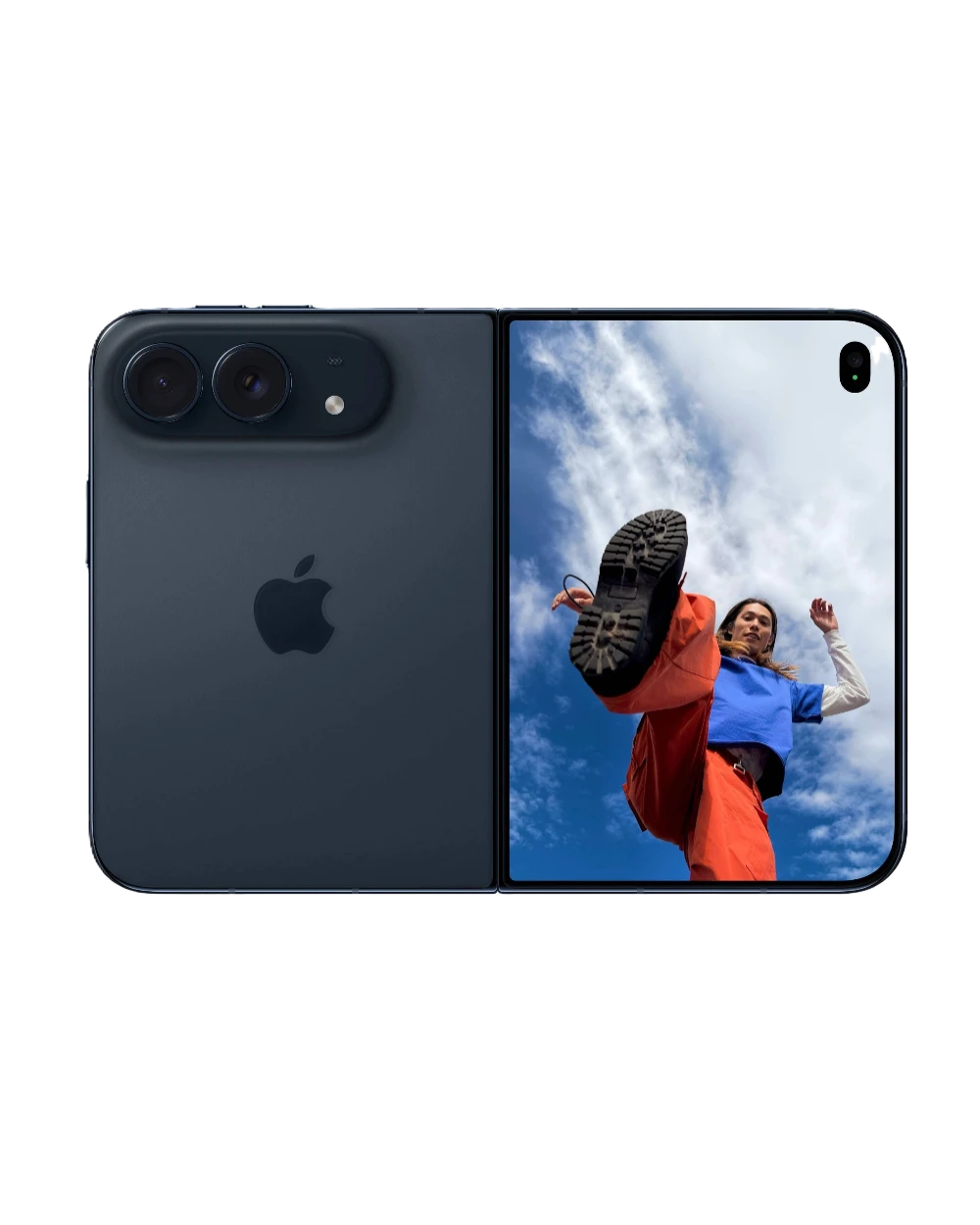
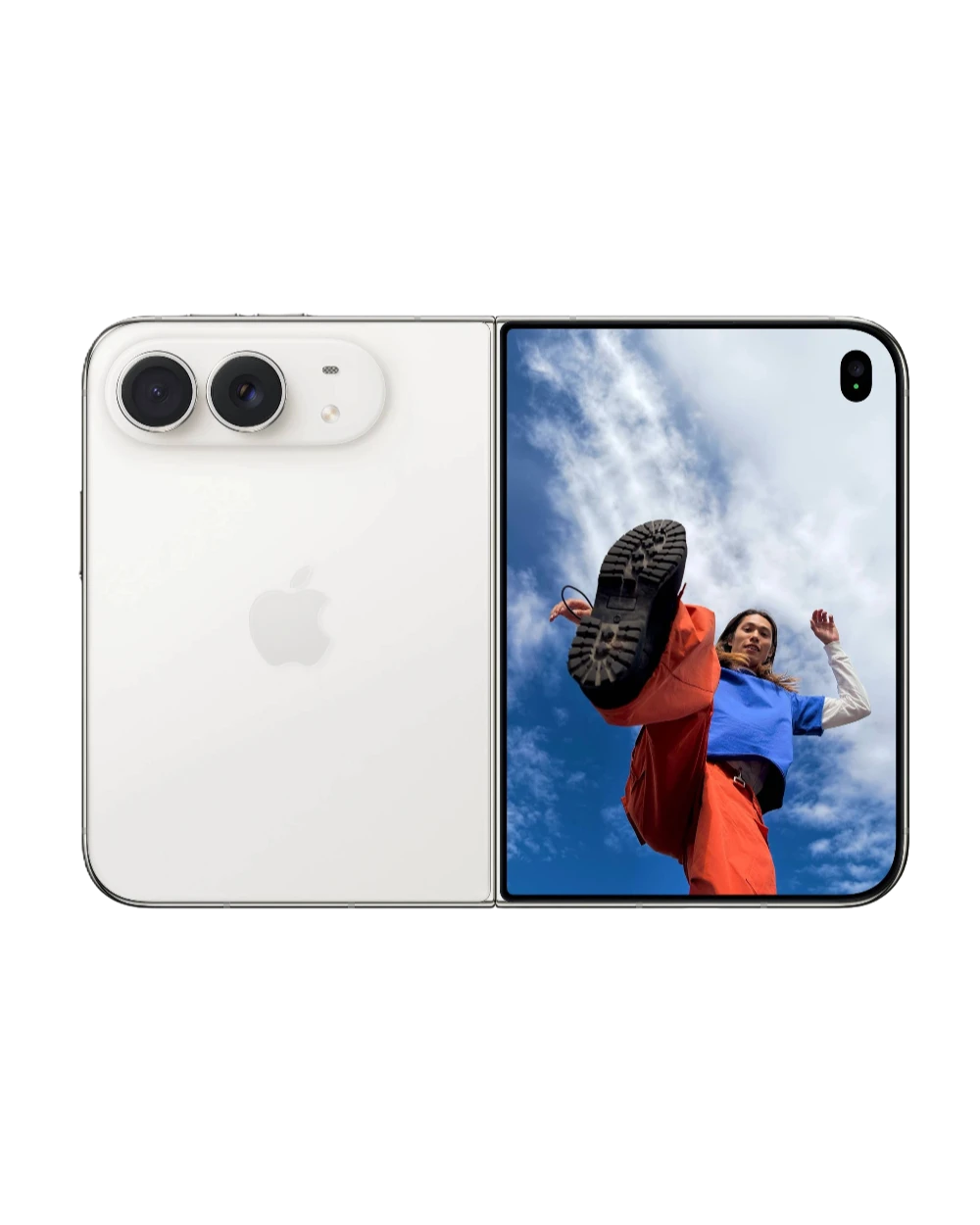
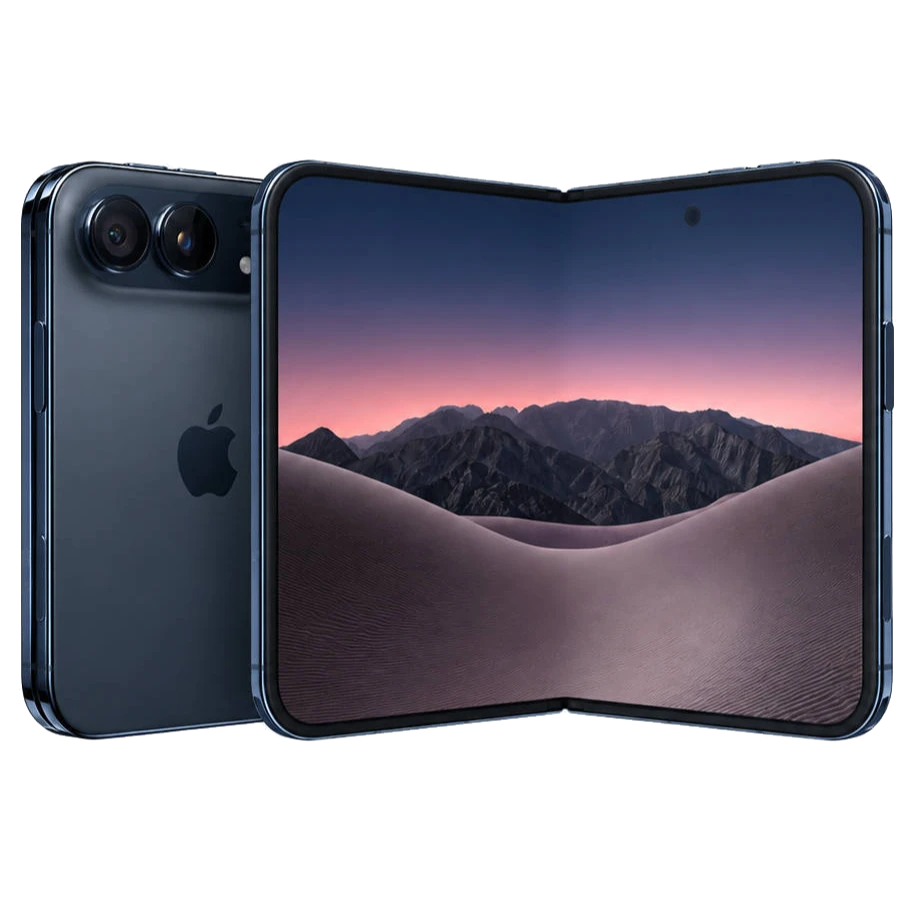
The Apple iPhone Duo — Apple's first foldable iPhone, also searched as iPhone Fold — is a book-style folding phone released 23 October 2026. It pairs a 7.6-inch foldable LTPO OLED with the A20 Pro chip. Launch price: ৳3,05,000 in Bangladesh, ₹2,99,900 in India, ₨899,999 in Pakistan.
Before its September 2026 announcement, the device was rumored as the Apple iPhone Fold and the Apple iPhone Ultra.
iPhone Fold Design: Hinge, Crease & Cover Screen
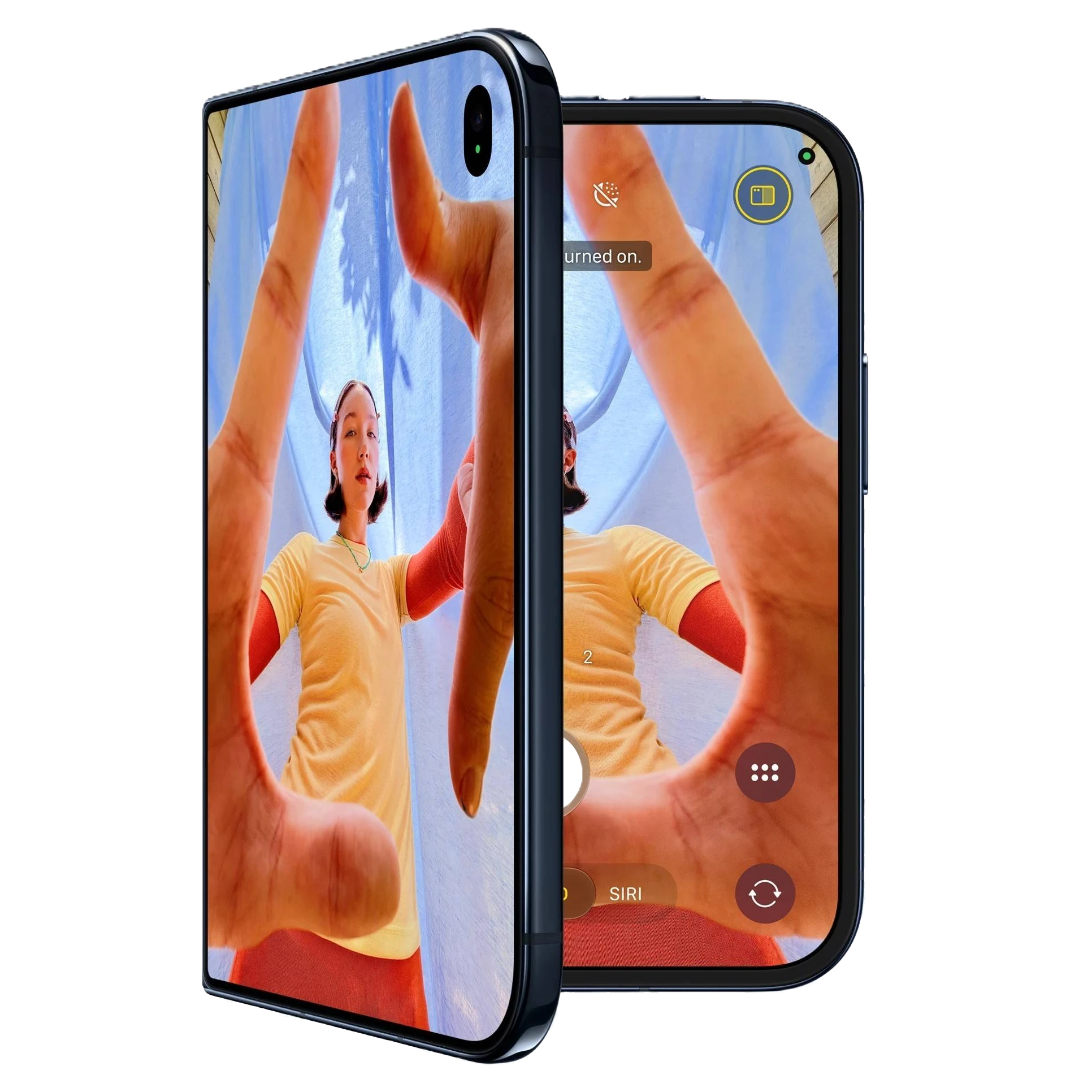
The iPhone folding phone opens book-style to a 7.6-inch foldable LTPO OLED with a Nano Texture anti-reflective finish, and closes over a 5.4-inch LTPO Super Retina XDR OLED cover display (120Hz, HDR10, Dolby Vision, up to 3000 nits, Ceramic Shield 2). A faint crease along the hinge is normal for book-style folding phones and shows only at angled light; the hinge carries the same IP68 sealing as the body.
What is the launch price of the Apple iPhone Duo in Bangladesh?
It launched at ৳3,05,000 in Bangladesh. Elsewhere: $1,999 in United States, ₹2,99,900 in India, ₨899,999 in Pakistan. These are launch prices; shop prices today may differ.
02
When was the Apple iPhone Duo launched?
It was announced on 9 September 2026 and released on 23 October 2026.
03
How big is the Apple iPhone Duo's screen?
7.6 inches, Foldable LTPO OLED, refreshing at up to 120 Hz (1-120 Hz).
04
Which processor does the Apple iPhone Duo use?
The Apple A20 Pro (2 nm), with 6 CPU cores running up to 4.93 GHz and Apple GPU (7-core) with Neural Accelerators and hardware ray tracing graphics.
How big is the Apple iPhone Duo's battery, and how fast does it charge?
4,883 mAh, charging at up to 60 W over the cable. 50% in about 20 min (60W+ USB-C adapter); 50% in about 30 min (MagSafe with 35W+ adapter). Charger in the box: no; usb-c to usb-c cable (1m) only.
07
Does the Apple iPhone Duo support wireless charging?
Yes, at up to 25 W (MagSafe, Qi2).
08
Is the Apple iPhone Duo waterproof?
It is water-resistant (IP68), not waterproof: it survives rain and a short dip in fresh water. Keep it out of the sea and the pool.
09
Does the Apple iPhone Duo support eSIM?
Yes. SIM options: Dual eSIM (two active), no physical SIM.
10
Does the Apple iPhone Duo have a memory card slot?
There is no memory card slot.
11
Is the Apple iPhone Duo the same as the iPhone Fold or iPhone Ultra?
Yes. Apple iPhone Duo is the retail name of Apple's first foldable iPhone the device most people search for as iPhone Fold or foldable Apple iPhone, and which pre-launch leaks called Apple iPhone Fold and Apple iPhone Ultra. Same phone with 7.6-inch book-style folding display with a 5.4-inch cover screen, released 23 October 2026.
12
Does the iPhone Duo's foldable screen crease, and is the hinge waterproof?
Like all book-style folding phones it shows a faint crease along the hinge under angled light. The hinge is sealed to the same IP68 rating as the body, so rain and splashes are safe; keep it out of sea and pool water.
13
The iPhone Duo has no physical SIM — will it work in Bangladesh, India or Pakistan?
It is dual-eSIM only. Indian carriers broadly support eSIM, so activation is straightforward. In Bangladesh and Pakistan eSIM is limited to certain operators and plans, so confirm your carrier's eSIM support before buying.
14
Where can I buy the Apple iPhone Duo in Bangladesh, India or Pakistan, and is the launch price still current?
On sale since 23 October 2026 at ৳3,05,000 / ₹2,99,900 / ₨899,999. As of Nov 2026, street prices in Bangladesh and Pakistan often run above launch price due to import duties; the price table on this page tracks current figures.
15
iPhone Duo or iPhone 18 Pro Max, which should I buy?
Choose the iPhone Duo for the 7.6-inch foldable display and tablet-style multitasking; choose the iPhone 18 Pro Max for a lighter body and longer telephoto reach. See the side-by-side comparison table on this page.
Answers come from the specs on this page and from the MobiOrbit team.