Network technology lists the cellular standards the device supports, such as GSM, LTE or NR. It determines which carrier networks the device can register on.
Network Generations
2G3G4G5G
Network generations indicate which cellular generations the device supports, from 2G through 5G NR. They determine which carrier networks and speed classes are available for voice and data.
SIM Configuration
· Nano-SIM
· Nano-SIM + Nano-SIM
SIM configuration describes how many SIM slots the device has and how they operate, such as single, dual or hybrid. It determines whether two carriers can run at once.
SIM Types
Nano-SIM
SIM types list the physical card formats the device accepts per slot, such as Nano-SIM, Micro-SIM or Mini-SIM. The format tells you whether an existing SIM fits or needs an adapter.
eSIM
No
eSIM indicates whether the device includes an embedded SIM, a digital carrier profile that replaces a physical card. It enables remote carrier switching and dual-SIM use.
2G Bands
GSM 850 / 900 / 1800 / 1900
2G bands list the GSM frequencies the device supports, such as 850, 900, 1800 and 1900 MHz. They determine which 2G networks the device can register on.
3G Bands
HSDPA 850 / 900 / 1700(AWS) / 1900 / 2100
3G bands list the UMTS and HSPA frequencies the device supports. They determine which 3G networks the device can register on for voice and data.
4G bands list the LTE frequency bands the device supports, such as B1, B3, B7 or B20. They determine which 4G networks the device can register on for high-speed data.
5G bands list the NR frequency bands the device supports, in sub-6 GHz or mmWave ranges. They determine which 5G networks the device can register on.
Data Speed
HSPA, LTE, 5G
Data speed states the highest network classes the device supports, such as LTE Cat 20 or 5G NR. It indicates the maximum download and upload throughput available.
VoLTE
Yes
VoLTE indicates whether the device places HD voice calls over the 4G LTE network instead of falling back to 2G or 3G. It gives faster call setup and clearer audio.
Design & Body
8 specs
Form Factor
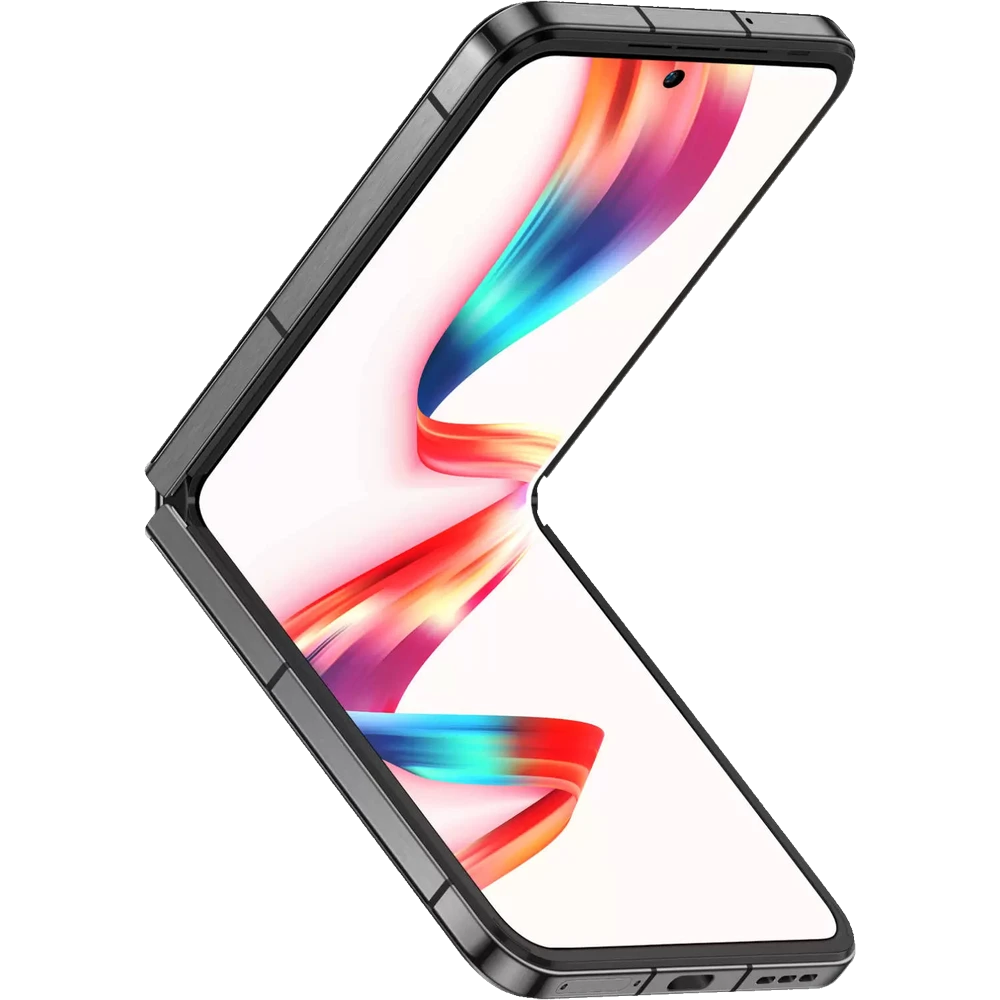
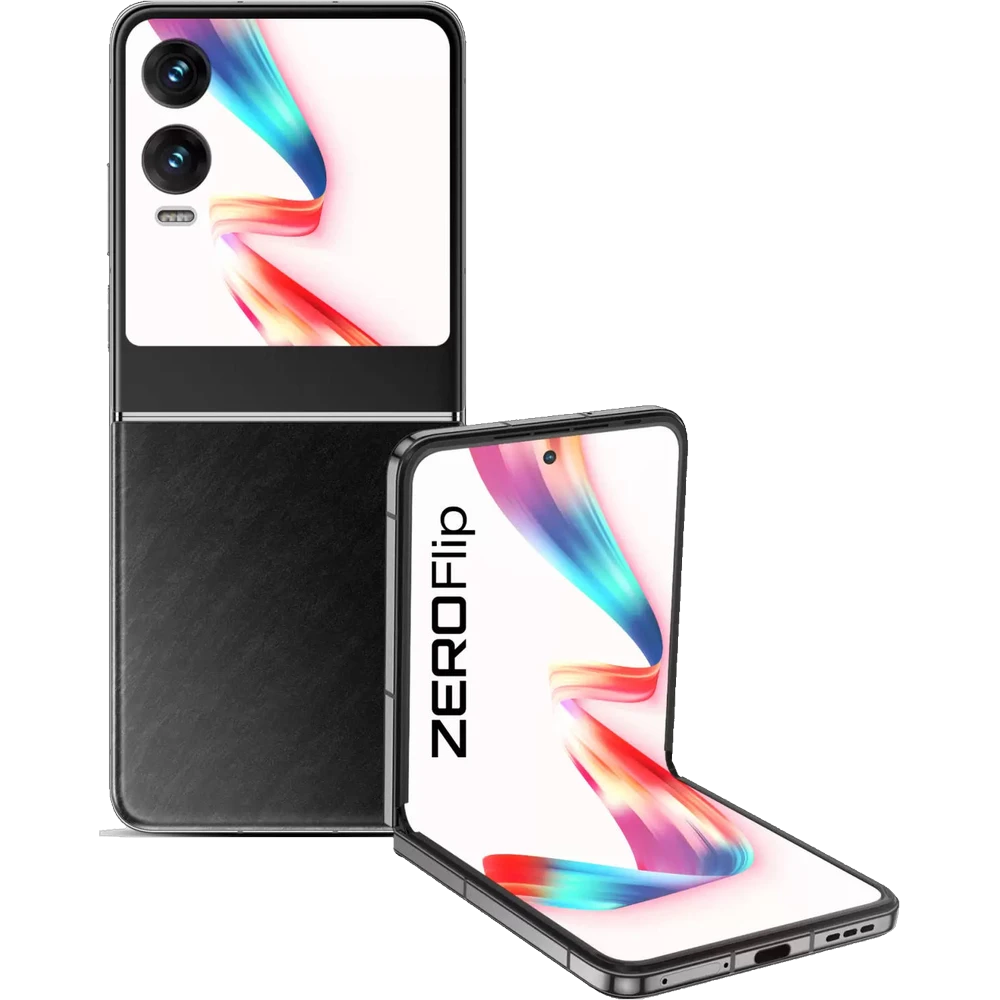
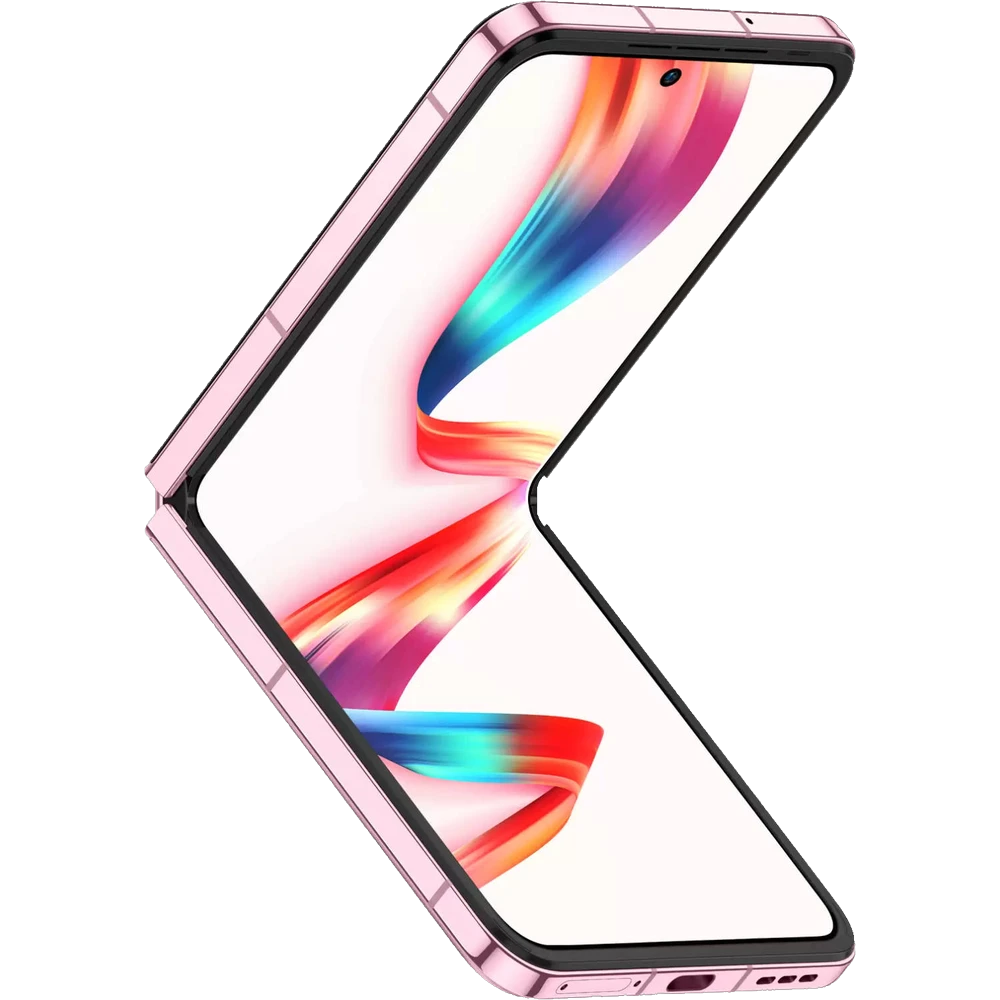
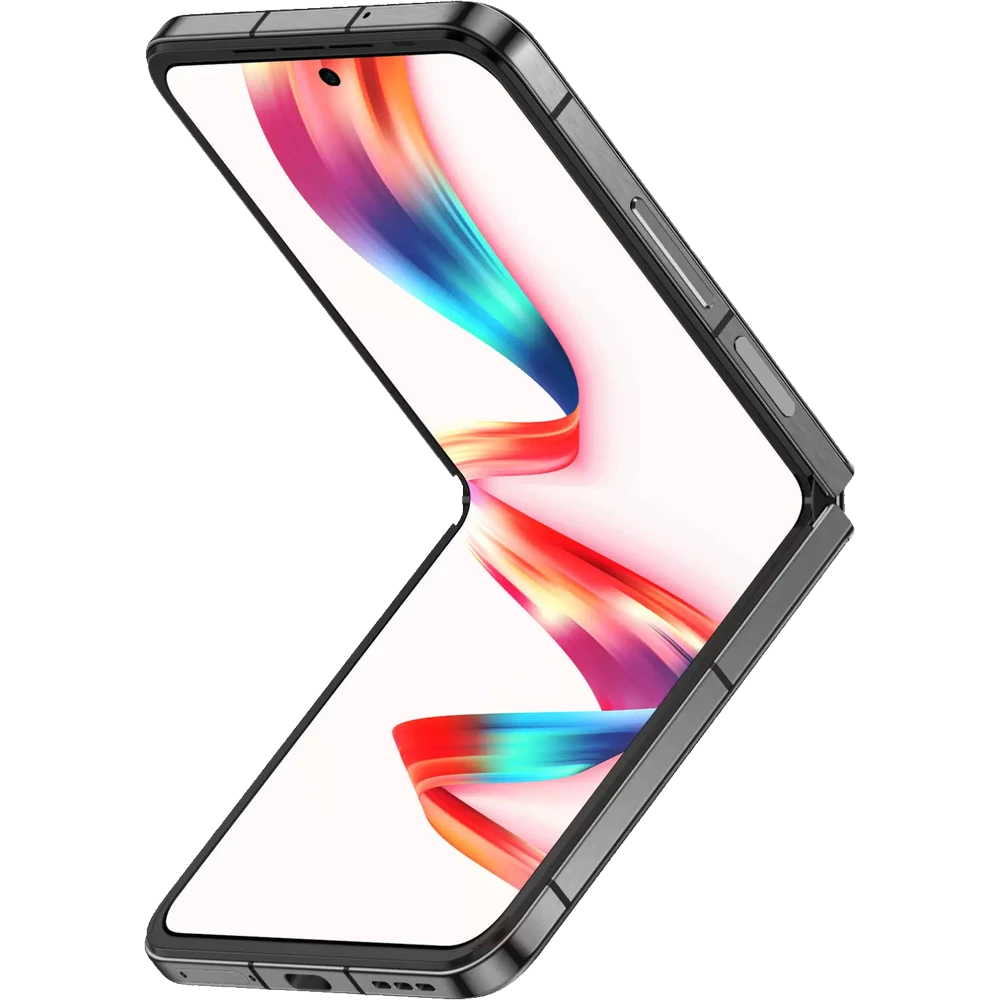
Foldable smartphone
Form factor names the device's overall shape and handling style, such as candybar, slider or flip. It determines how the device fits in the hand and pocket.
Size & weight
Flip phone, shown to scale beside a bank card, folded and open
87.5 mm
73.4 mmFolded
16 mmSide, folded
170.4 mm
73.4 mmOpen
7.6 mmSide, open
73.4 mm85.6 mmBank card
73.4 × 87.5 mm
Folded, width × height
73.4 × 170.4 mm
Open, width × height
16 mm folded · 7.6 mm open
Thickness
195 g
Weight
6.9″
Inner screen
Folded, 12.2 mm narrower than a bank card.
Weight states the device's mass in grams, including its built-in battery but excluding any case. It influences one-handed comfort, pocket carry and fatigue during long calls.
Folded dimensions give the device's height, width and thickness when the hinge is fully closed, in millimetres. They show whether the folded device fits pockets and one-handed use.
Dimensions by configuration
Unfolded: 170.4 x 73.4 x 7.6 mm
Folded: 87.5 x 73.4 x 16 mm
Body measurements that vary by case size, connectivity, accessories or operating position.
Weight by configuration
195 g (6.88 oz)
Weight differences between case sizes, connectivity options or material variants.
Hinge design
The hinge design is ultra-durable and can withstand 400,000 folds, making it perfect for daily use, allowing you to enjoy the fun of opening and closing it freely.
The physical hinge arrangement and its stated folding behavior.
Hinge durability claims
The hinge design is ultra-durable and can withstand 400,000 folds, making it perfect for daily use, allowing you to enjoy the fun of opening and closing it freely.
Published hinge test claims together with their test conditions and source limitations.
Display
8 specs
Type
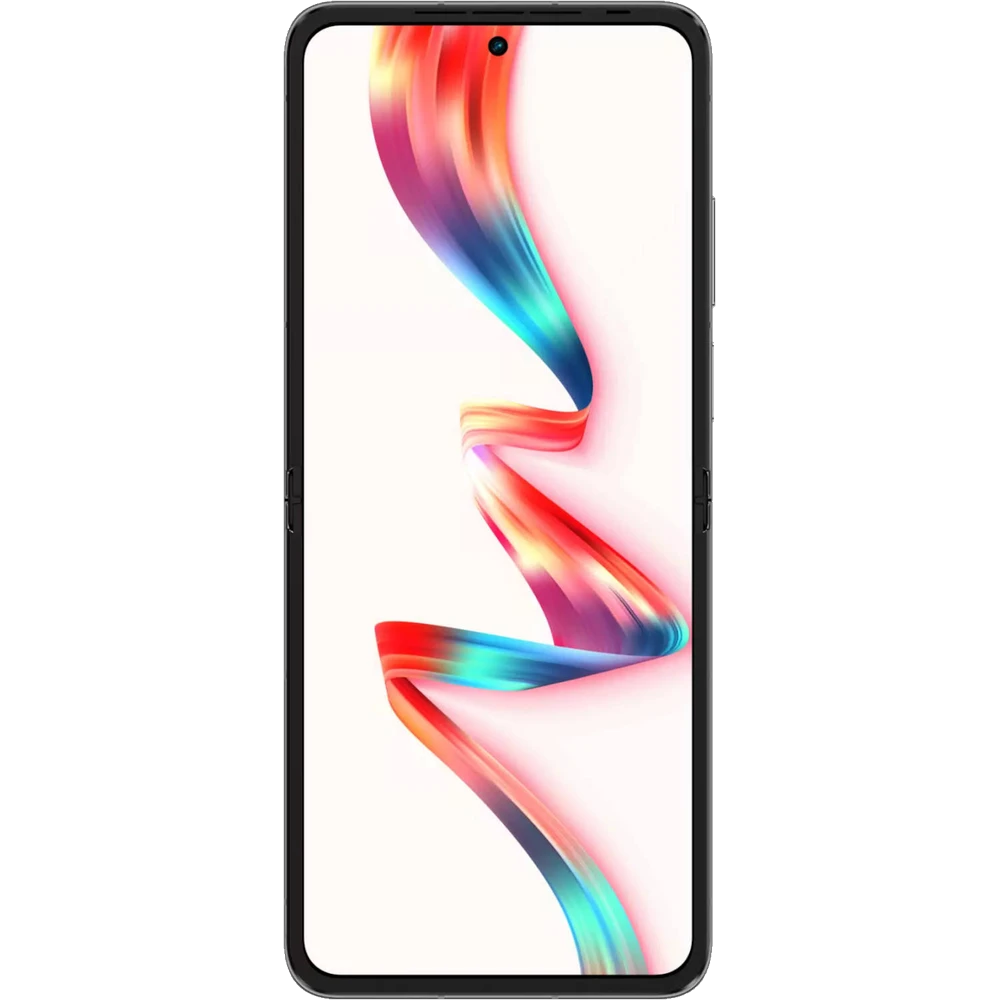
Foldable LTPO AMOLED
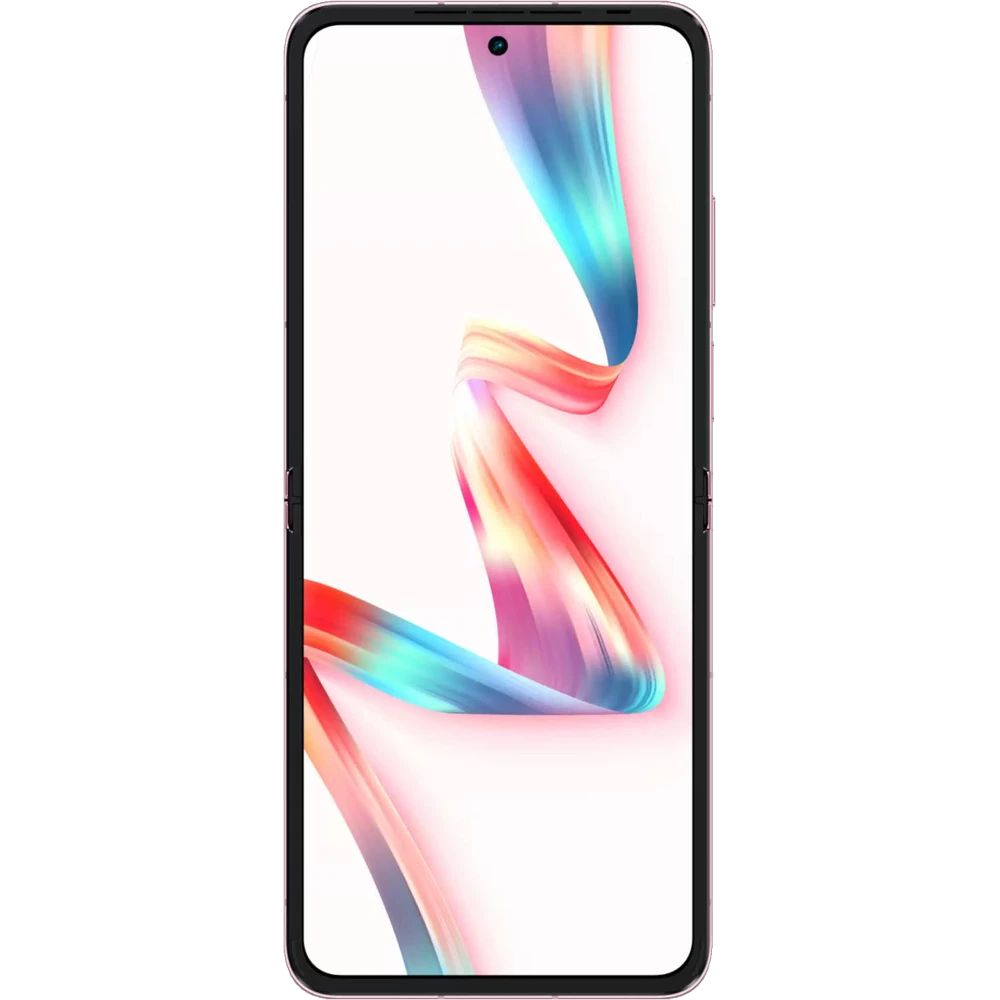
Display type classifies the screen under a standard panel family, such as OLED, LCD or e-paper. It lets buyers compare screens by technology generation across brands.
Screen Size
6.9inches
Screen size states the diagonal measurement of the display in inches. Combined with resolution it determines how large text and images appear to the user.
Resolution
Screen Resolution 1080 × 2640 pxPixel Density 413 ppi
Display resolution identifies the standardized pixel grid of the screen as a shared reference record, such as 1080 × 2400. It keeps resolution data identical across models.
Refresh Rate
120Hz
Refresh rate states how many times per second the display redraws the image, in hertz. Higher rates make scrolling and animation look smoother to the eye.
Peak Brightness
1400nits
Peak brightness states the maximum luminance the display can reach in nits, measured in a small area. It determines outdoor readability and HDR highlight detail.
Brightness conditions
1400 nits (peak)
The content, screen area, automatic mode and test conditions associated with brightness figures.
Screen area
107.6cm²
The area of the specified primary screen, measured in square centimetres.
Screen-to-body ratio
86.1%
The reported share of the front surface occupied by the specified screen.
Platform
11 specs
Software
Android 14 · XOS 14.5
Operating system links the device to its full OS record, combining name, version and upgrade path in one reference entry. It keeps software data consistent across models.
Chipset
Chipset Name Mediatek Dimensity 8020Process Node (6 nm)
Chipset links the device to its standardized system-on-chip record, grouping all models that share the same silicon. It enables exact like-for-like performance comparisons across brands.
Performance cores carry sustained work such as multitasking, gaming and video export, balancing speed and power use.
Efficiency cores4 × 2.0 GHzCortex-A55
Efficiency cores handle light and background tasks such as messaging, music and standby at low power. They extend battery life rather than speed.
CPU describes the processor core layout inside the chipset, such as 1+3+4 with clock speeds. It indicates how the device handles multitasking and sustained workloads.
CPU Cores
8
CPU cores states how many processing cores the chipset contains, such as six or eight. More cores improve multitasking and parallel workloads like video export.
Maximum CPU Clock
2.6GHz
CPU max clock states the highest frequency any core in the chipset can reach, in gigahertz. It indicates the peak single-thread speed available for short bursts.
GPU
Mali-G77 MC9
GPU names the graphics processor inside the chipset, such as Adreno 830 or Mali-G925. It determines gaming frame rates, UI smoothness and video rendering speed.
OS Update Policy
up to 2 major OS updates
OS update policy states how many major operating-system upgrades the manufacturer promises and over how many years. It indicates how long the device stays current.
Major OS upgrades
2
The number of major operating-system upgrades explicitly promised for the device.
Processor, software or performance-hardware differences between regional and storage configurations.
Memory & Storage
5 specs
RAM
8GB
RAM links the device to its standardized memory record, combining size and type in one reference entry. It keeps RAM data identical across models for exact comparisons.
Storage
Storage Size 256 GBStorage Type UFS 3.1
Storage links the device to its standardized internal-storage record, combining capacity and storage standard in one reference entry. It keeps storage data consistent across models.
Memory Variants
256GB 8GB RAM512GB 8GB RAM
Memory variants list the RAM and storage combinations the device is sold in, such as 8 GB + 128 GB or 12 GB + 512 GB. They show which configurations exist per market and price tier.
Memory Card Slot
No
Memory card slot indicates whether the device accepts a removable memory card for extra storage, such as microSD. It determines whether storage can be expanded after purchase.
Memory Notes
UFS 3.1
Memory notes record extra conditions about memory and storage, such as shared SIM slots or actual usable space. They clarify details the headline numbers do not show.
Main camera links the device to the standardized record of its primary rear camera, combining sensor, lens and stabilization data. It keeps main-camera specs identical across models.
One scene at three apertures, shot with a 50 mm camera lens, not with this phone: the frame nearest the chosen lens is marked. Opening width scales with 1/f and light with 1/f². Photos: Alex1ruff, CC BY-SA 4.0, via Wikimedia Commons.
Rear Camera Count
2
Rear camera count states how many separate camera modules sit on the back of the device. It indicates whether the device offers single, dual or multi-lens photography.
Camera Features
Dual-LED flashHDRpanorama
Camera features list the photo-side capabilities of the rear camera system, such as auto-HDR, panorama or night mode. They show which shooting modes work out of the box.
Video Recording
4K@30fps, 1080p@30/60/120fps
Rear video recording lists the resolution and frame-rate modes the rear cameras support, such as 8K at 30 fps or 4K at 120 fps. It shows the highest video quality the device can capture.
Rear Flash
Dual-LED flash
Rear flash describes the light source built beside the rear cameras, such as dual-LED or True Tone. It determines how well the device illuminates subjects in low-light photos.
Rear camera hardware or recording differences between configurations.
Rear recording conditions
4K@30fps, 1080p@30/60/120fps
Lens, resolution, frame-rate, HDR and stabilization restrictions for rear video modes.
Front Camera
6 specs
Selfie camera
1
Megapixels
50 MP
Aperture
f/2.5
Lens type
wide
Sensor format
1/2.76"
Native pixel pitch
0.64 µm
Focus methods
PDAF
Camera notes
50 MP, f/2.5, 25mm (wide), 1/2.76", 0.64µm, PDAF
Front camera links the device to the standardized record of its primary selfie camera, combining resolution, sensor, aperture and autofocus. It keeps selfie-camera specs identical across models.
Aperture: how much light gets through
A smaller f-number is a wider opening: more light, more background blur, less of the scene in focus.
One scene at three apertures, shot with a 50 mm camera lens, not with this phone: the frame nearest the chosen lens is marked. Opening width scales with 1/f and light with 1/f². Photos: Alex1ruff, CC BY-SA 4.0, via Wikimedia Commons.
Front Camera Count
1
Front camera count states how many separate camera modules face the user on the device. It determines whether the device offers single or dual selfie perspectives.
Front Video Recording
4K@30/60fps, 1080p@30/60/120fps
Front video recording lists the resolution and frame-rate modes the selfie camera supports, such as 4K at 60 fps. It shows which video call and selfie-video quality the device delivers.
Front Camera Features
Dual-LED flash
Front camera features list the photo-side capabilities of the selfie camera, such as HDR, night mode or portrait mode. They show which selfie enhancements work out of the box.
Front illumination
Dual-LED flash
The front-facing photographic illumination, such as a dedicated light or screen flash.
Front camera conditions
50 MP, f/2.5, 25mm (wide), 1/2.76", 0.64µm, PDAF
Front camera position, recording-mode and configuration restrictions.
Sound
4 specs
Loudspeaker
Yes, with stereo speakers
Loudspeaker states whether the device has a built-in external speaker, such as single bottom-firing or stereo. It determines whether media plays out loud and how full it sounds.
Speaker Count
2
Speaker count states how many separate loudspeaker drivers the device contains, such as one, two or four. More drivers usually widen the soundstage and enable true stereo separation.
Stereo Speakers
Yes
Stereo speakers indicates whether the device outputs two-channel sound from separate left and right drivers. Stereo separation makes music and video dialogue sound wider and more directional.
Audio Features
24-bit/192kHz Hi-Res & Hi-Res Wireless audioTuned by JBL
Audio features list the extra sound capabilities the device supports, such as hi-res audio, Dolby Atmos or spatial audio. They show which listening experiences the device can deliver.
Battery & Charging
6 specs
Battery Capacity
4720mAh
Battery capacity states the energy stored in the device's battery, in milliamp-hours, such as 5000 mAh. It is the raw figure behind runtime, but actual endurance depends on usage.
Wired Charging
70W
Wired charging states the maximum power, in watts, the device accepts over a USB cable from a compatible adapter. It determines how fast the battery refills from empty.
Reverse Wired Charging
10W
Reverse wired charging states the power, in watts, the device can output through its USB port to charge another device. It turns the device into a power bank for accessories.
Battery Features
10W reverse wired
Battery features list extra power-management capabilities, such as bypass charging, adaptive charging or battery health monitoring. They show how the device protects long-term battery life.
Battery configurations
4720 mAh
Battery differences between sizes, hardware configurations or supported battery packs.
Charging requirements
70W wired
10W reverse wired
Charger, cable, protocol, temperature and battery-level conditions required for charging claims.
Connectivity
11 specs
Wi-Fi Standard
Wi-Fi 802.11 a/b/g/n/ac/6
Wi-Fi standard states the highest 802.11 generation the device supports, such as Wi-Fi 6E or Wi-Fi 7. It determines maximum wireless throughput and latency on compatible routers.
Wi-Fi Bands
dual-band
Wi-Fi bands list the frequency ranges the device's wireless LAN can use, such as 2.4 GHz, 5 GHz or 6 GHz. More bands reduce congestion and increase throughput on compatible routers.
Bluetooth Version
5.4
Bluetooth version states the core specification the device implements, such as 5.3 or 5.4. It determines range, speed and power efficiency for wireless accessories and audio devices.
NFC
Yes
NFC indicates whether the device can exchange data over short-range radio, typically for contactless payments, transit cards or device pairing. It enables tap-to-pay and quick pairing.
USB Connector
USB Type-C
USB connector names the physical port shape on the device, such as USB Type-C or micro-USB. It determines which cables and docks physically fit the device.
USB Features
OTG
USB features list extra capabilities of the device's port, such as OTG, DisplayPort alt mode or video out. They show whether the port can host drives or drive monitors.
Positioning Systems
GPS
Positioning systems list the satellite constellations the device uses for location, such as GPS, GLONASS, Galileo or BeiDou. More systems improve accuracy and fix speed.
Dual-Frequency GNSS
No
Dual-frequency GNSS indicates whether the device receives positioning satellites on two frequency bands. It improves location accuracy in cities and under tree cover or dense buildings.
FM Radio
FM radio
FM radio states whether the device includes a built-in FM receiver and whether it needs wired headphones as an antenna. It determines whether broadcast radio plays without mobile data.
Bluetooth profiles
A2DP
Supported Bluetooth service profiles, distinct from the core Bluetooth version and audio codecs.
Bluetooth features
A2DPLE
Supported Bluetooth capabilities beyond version, service profiles and audio codec names.
Sensors & Security
2 specs
Fingerprint Sensor
Fingerprint (side-mounted)
Fingerprint sensor states the type and placement of the device's fingerprint reader, such as under-display ultrasonic or side-mounted capacitive. It determines how fast the device unlocks.
Sensors list the motion, environmental and proximity sensors built into the device, such as accelerometer, gyroscope and barometer. They enable screen rotation, navigation and smart automation.
Misc
1 specs
Model Numbers
X6962
Model numbers list the official identifiers assigned to each variant of the device, such as SM-S938B or CPH2653. They let buyers match a listing, accessory or firmware to the exact version.
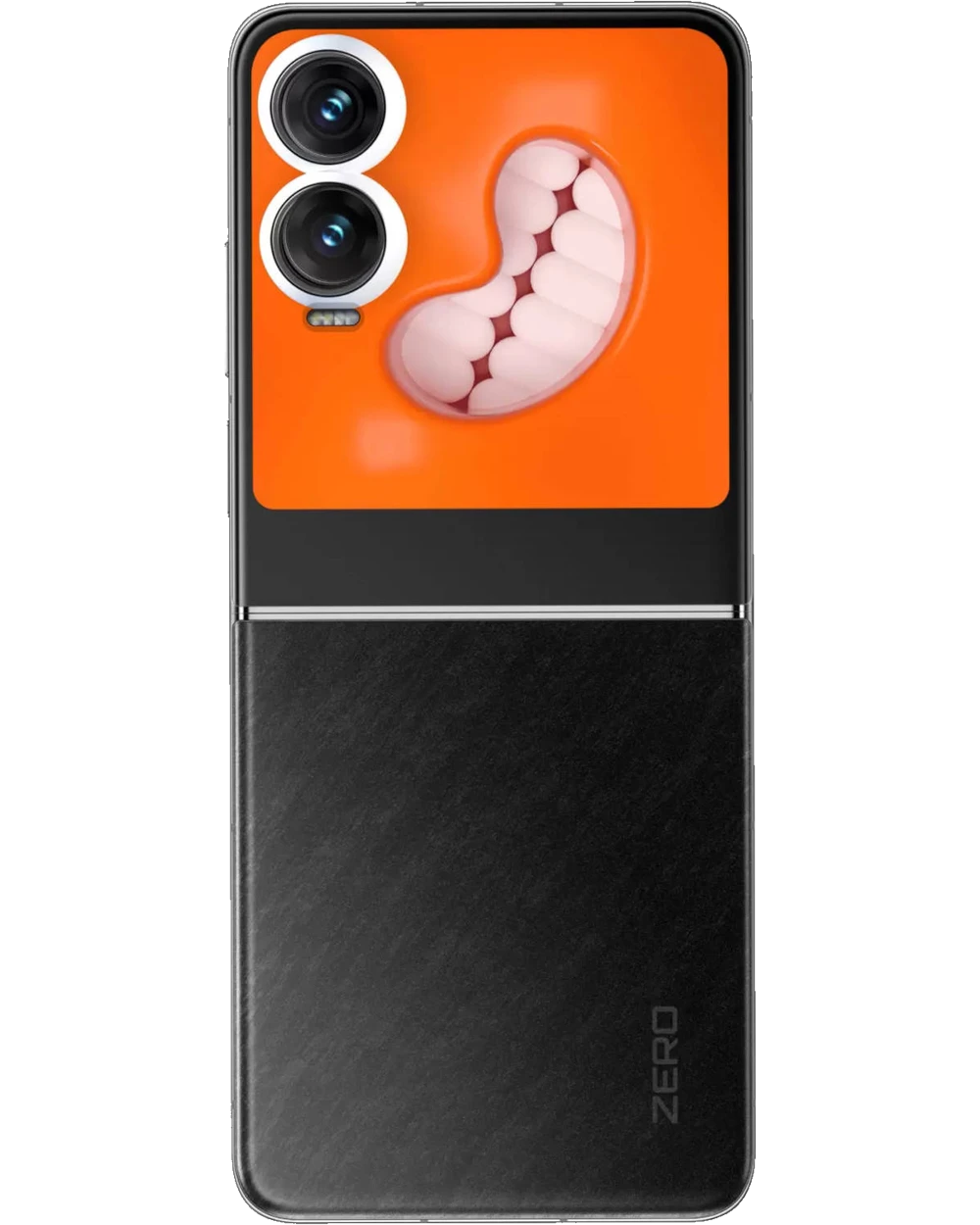
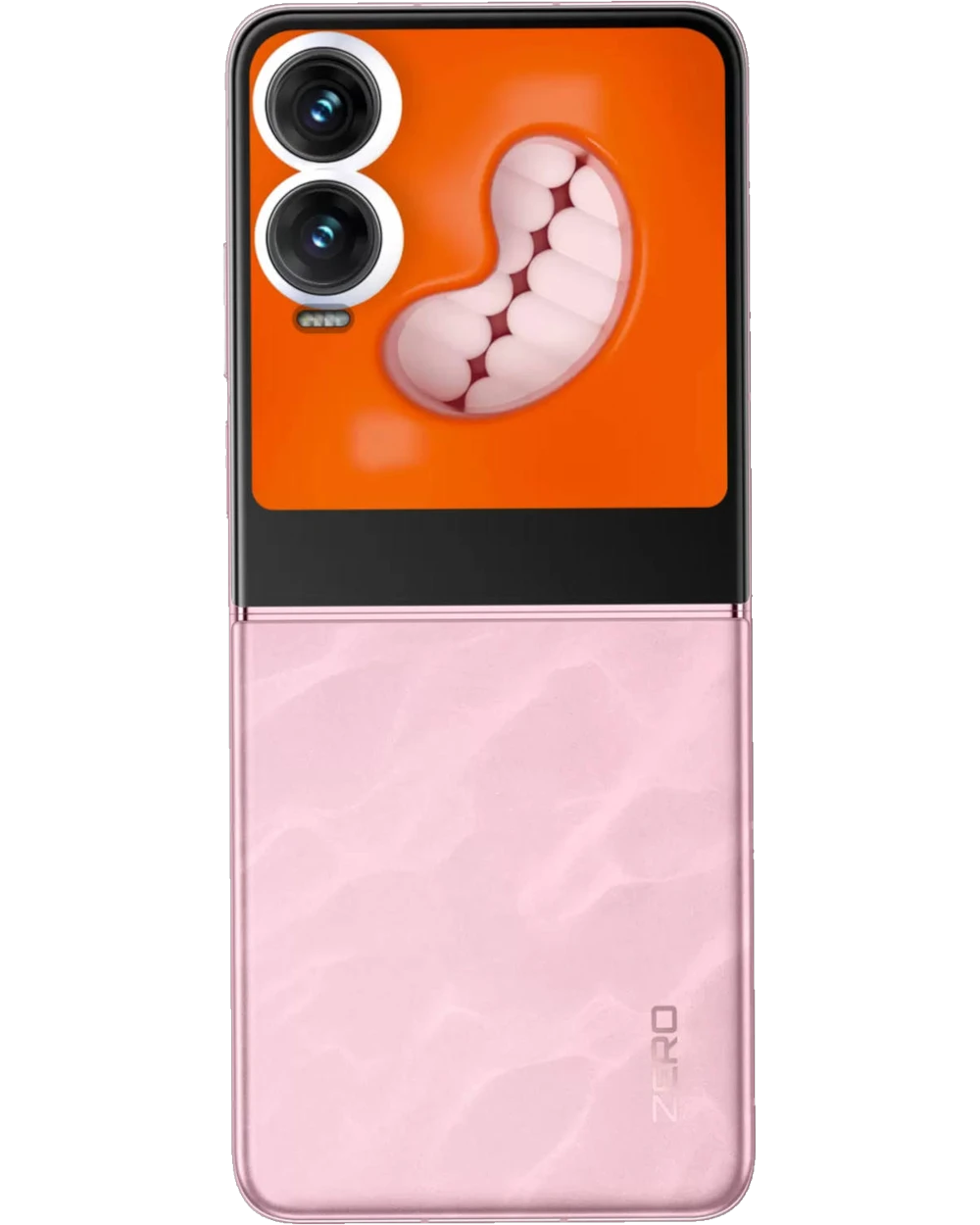
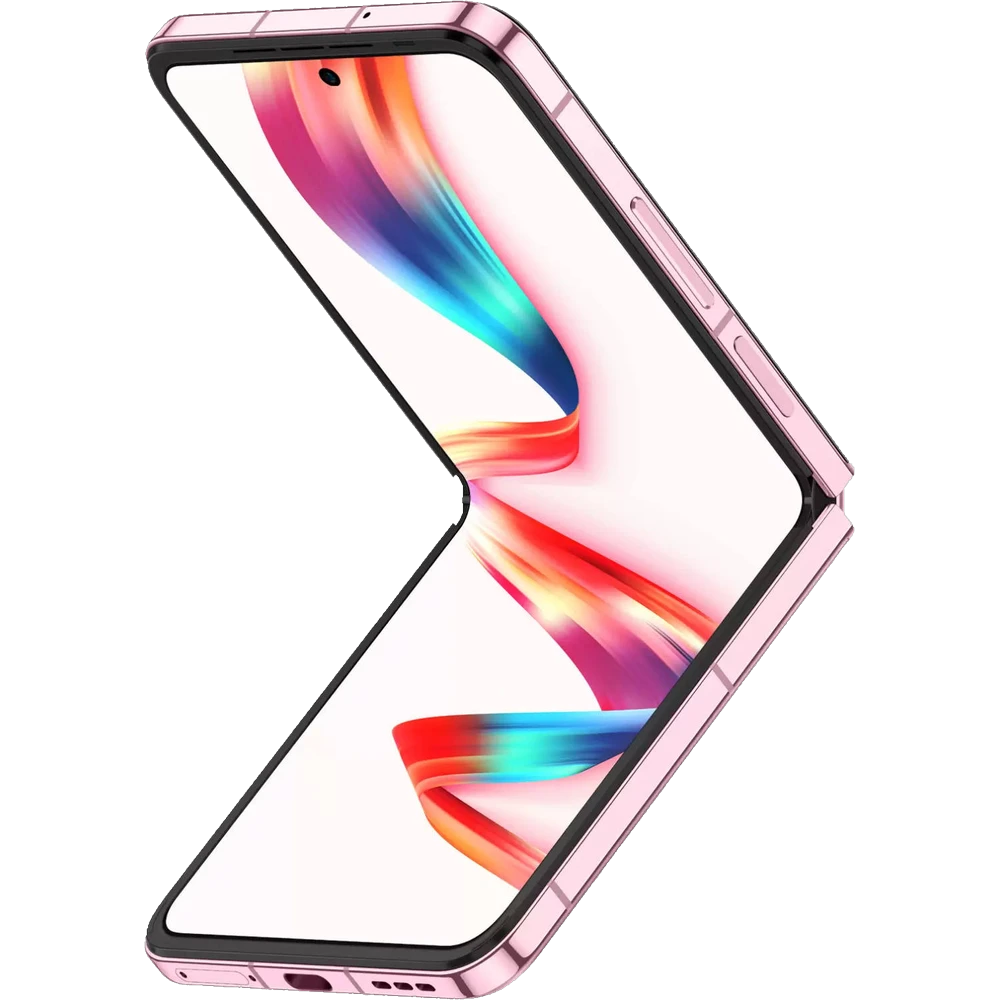
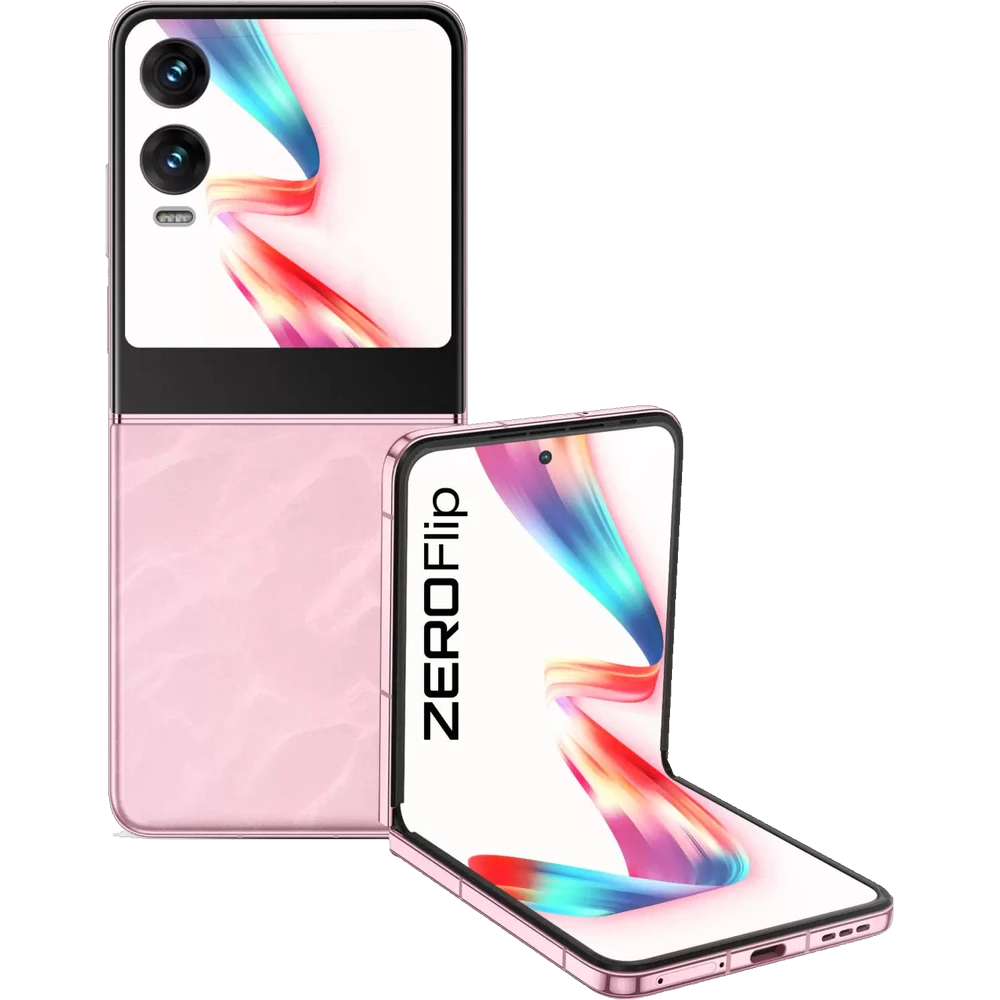
The Infinix Zero Flip is a foldable phone by Infinix, announced on 27 September 2024. It has a 6.9-inch Foldable LTPO AMOLED display, the Mediatek Dimensity 8020 (6 nm) running Android 14, a 50 MP main camera and a 4,720 mAh battery with 70 W wired charging. It launched at ₹49,999 in India.
Infinix Zero Flip specifications include 6.9-inch display, Mediatek Dimensity 8020, 4720 mAh battery. Model and regional configurations may vary.