
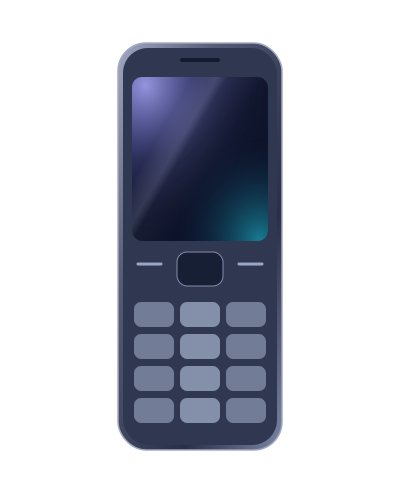
Main camera
1- Megapixels
- 0.3 MP
- Lens type
- VGA
The primary rear camera and its lens, sensor and focusing specifications.

India · Launch price
₹ 1,499
Launch price in India. Today's prices may differ.
Network technology lists the cellular standards the device supports, such as GSM, LTE or NR. It determines which carrier networks the device can register on.
Network generations indicate which cellular generations the device supports, from 2G through 5G NR. They determine which carrier networks and speed classes are available for voice and data.
2G bands list the GSM frequencies the device supports, such as 850, 900, 1800 and 1900 MHz. They determine which 2G networks the device can register on.
SIM configuration describes how many SIM slots the device has and how they operate, such as single, dual or hybrid. It determines whether two carriers can run at once.
SIM types list the physical card formats the device accepts per slot, such as Nano-SIM, Micro-SIM or Mini-SIM. The format tells you whether an existing SIM fits or needs an adapter.
Form factor names the device's overall shape and handling style, such as candybar, slider or flip. It determines how the device fits in the hand and pocket.
Shown to scale beside a bank card
35.6 mm narrower than a bank card.
Weight states the device's mass in grams, including its built-in battery but excluding any case. It influences one-handed comfort, pocket carry and fatigue during long calls.
Dimensions give the device's height, width and thickness in millimetres, measured in its normal working shape. They show whether the device fits one-handed use and pockets.
Build summarizes the device's construction and protective design, such as glass front, aluminum frame and glass back. It gives a quick view of perceived quality and durability.
Frame material names what the device's side rails are made of, such as aluminum, stainless steel or plastic. It affects weight, durability and perceived quality.
Front material names the covering over the display, such as Gorilla Glass or hardened plastic. It indicates the scratch and drop protection the screen carries.
Back material names the panel covering the rear of the device, such as glass, plastic or vegan leather. It affects grip, wireless charging and durability.
The arrangement of physical typing and navigation keys.
A built-in light for illuminating nearby objects.
Physical keyboard features beyond the basic keypad layout.
The technology used to produce the display image.
Display dimensions summarized by diagonal length, visible area and share of the front surface.
The pixel dimensions of the display, with its resolution class, density and aspect ratio.
The operating system or software platform that runs the device.
Chipset links the device to its standardized system-on-chip record, grouping all models that share the same silicon. It enables exact like-for-like performance comparisons across brands.
CPU describes the processor core layout inside the chipset, such as 1+3+4 with clock speeds. It indicates how the device handles multitasking and sustained workloads.
Working memory used by active software, measured in megabytes.
Built-in space for software and saved content, measured in megabytes.
Removable memory-card support, including card format and capacity limits.
The primary rear camera and its lens, sensor and focusing specifications.
Battery capacity states the energy stored in the device's battery, in milliamp-hours, such as 5000 mAh. It is the raw figure behind runtime, but actual endurance depends on usage.
The chemical system used to store energy in the battery.
Removable battery indicates whether the user can take the battery out and replace it without tools. It affects repair cost, long-term usability and airline travel rules.
Claimed voice-call duration on one charge under the stated conditions.
Claimed time on one charge while awaiting use under the stated conditions.
The Bluetooth version, profiles and wireless connection capabilities.
The USB connector and supported data connection standard.
FM radio states whether the device includes a built-in FM receiver and whether it needs wired headphones as an antenna. It determines whether broadcast radio plays without mobile data.
Loudspeaker states whether the device has a built-in external speaker, such as single bottom-firing or stereo. It determines whether media plays out loud and how full it sounds.
Support for listening through headphones connected by a cable.
Built-in audio and video playback capabilities.
Items included in the retail package for the stated market or version.
Certifications list compliance marks the device has passed, such as Wi-Fi Certified, USB-IF or regional safety approvals. They confirm tested claims for interoperability and legal sale.
Warranty states the manufacturer's coverage period and terms for the device, such as 12 or 24 months. It defines what repairs and replacements are free and for how long.
Made in records the country where the device is assembled, such as China, Vietnam or India. It matters for import duties, warranty routing and manufacturing-origin tracking.
Model numbers list the official identifiers assigned to each variant of the device, such as SM-S938B or CPH2653. They let buyers match a listing, accessory or firmware to the exact version.
The Itel it5330 is a keypad phone by Itel, announced on 1 June 2024 and released on 15 June 2024. It has the Unisoc and a 1,800 mAh battery. It launched at ₹1,499 in India.
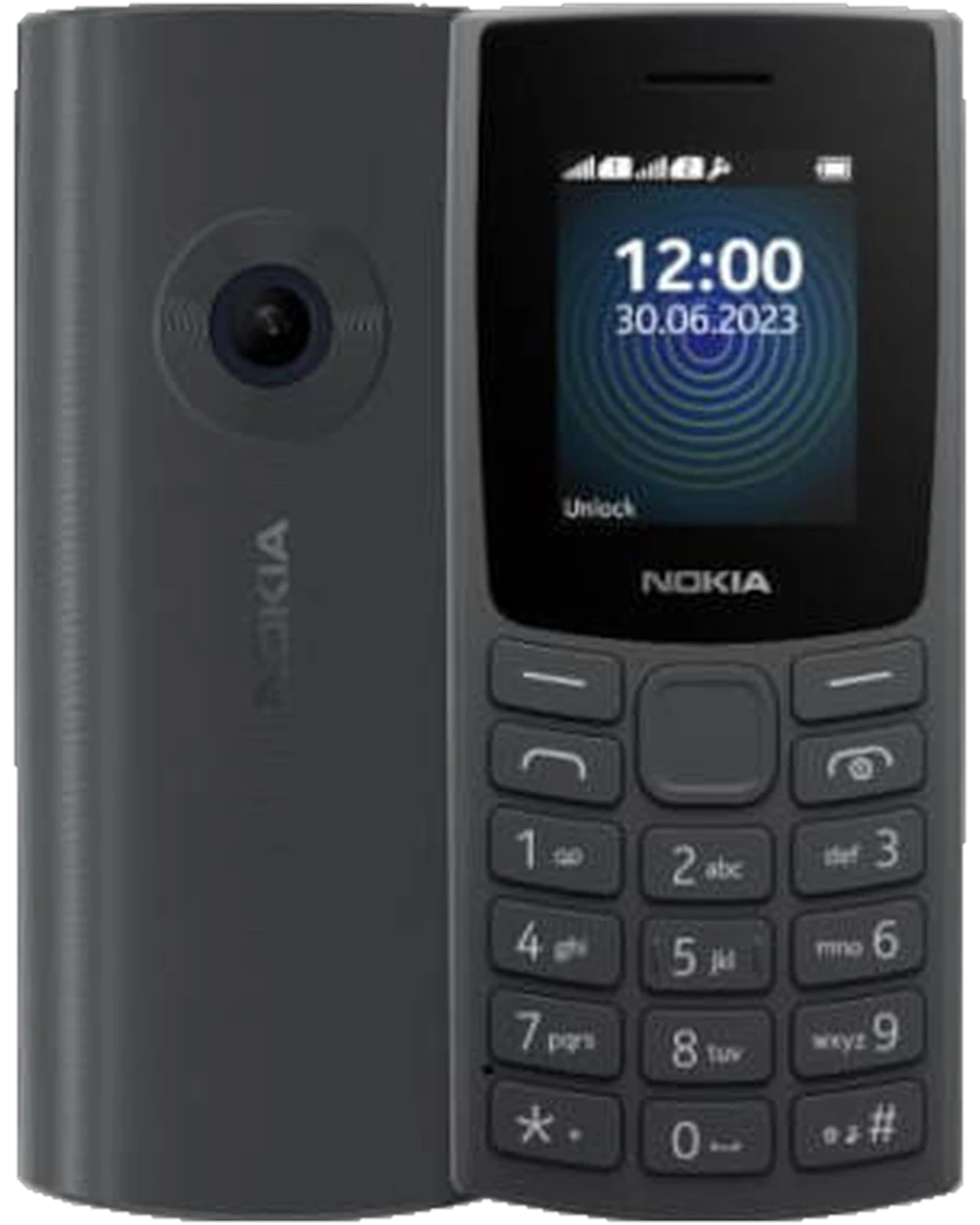 NokiaNokia 110 (2023)1.8 inches · 1000 mAh₹1,699Launch price · IndiaItel it5330 vs Nokia 110 (2023) ›
It launched at ₹1,499 in India. These are launch prices; shop prices today may differ.
It was announced on 1 June 2024 and released on 15 June 2024.
The Unisoc.
No. It tops out at 2G.
1,800 mAh.
No. SIM options: Mini-SIM + Mini-SIM and Dual stand-by.
It weighs 85 g and measures 120 × 50 × 14 mm (height × width × thickness).
Answers come from the specs on this page.
Launch Price
₹ 1,499